Ultimate Beijing Travel Guide Best Attractions Itineraries Tips
Best Time to Visit Beijing
Wondering when to plan your Beijing trip? The city changes with the seasons, each offering something special.
Spring (March to May) is ideal if you want to catch the cherry blossoms, with crisp, fresh air and mild temperatures making walking around the Forbidden City or taking a Great Wall day trip a true pleasure. Just watch out for the occasional sandstorms in early spring.
Summer (June to August) brings hot, humid days perfect for Summer Palace boat rides but be prepared for crowds and higher prices during Chinese national holidays like the first week of October’s Golden Week, which can get overwhelmingly busy.
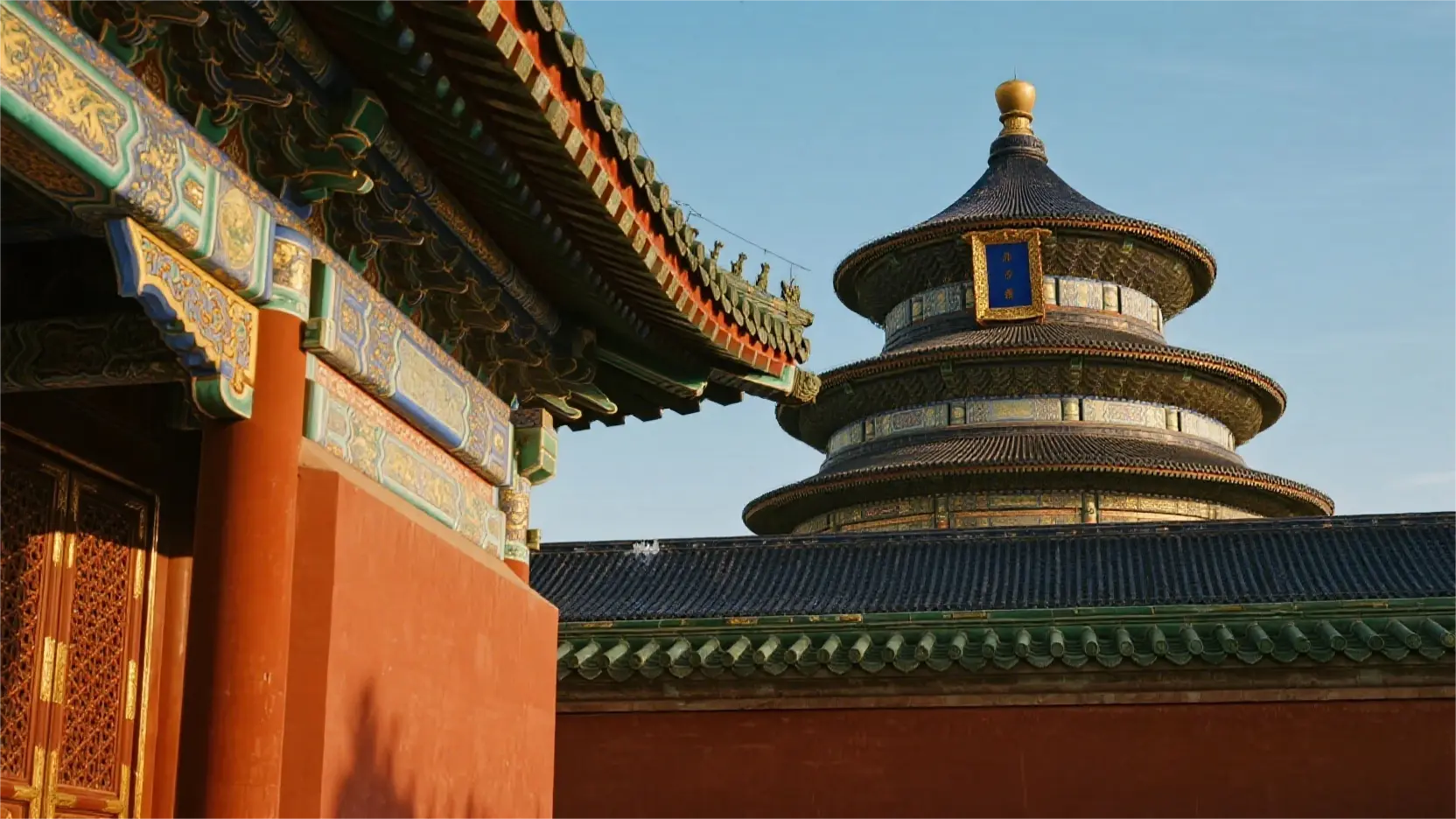
Fall (September to November) is often the best overall time—cool, clear skies and vibrant autumn foliage create stunning photo ops, especially around the Temple of Heaven and the hutong tours. The comfortable temps make it a favorite for most travelers.
Winter (December to February) is cold but peaceful, with fewer crowds and cheaper hotels. If you don’t mind bundling up, exploring the quiet, frosty streets delivers a unique, almost magical Beijing experience.
Holiday Alert: Avoid major Chinese public holidays, especially Golden Week (early October) and the Spring Festival (Chinese New Year), when crowds surge and prices climb. Planning outside these dates means more room to breathe and better deals.
Getting to and Around Beijing
Beijing’s main arrival hub is Beijing Capital International Airport (PEK), one of the busiest airports in the world, with plenty of international and domestic flights. Another option is the newer Beijing Daxing International Airport (PKX), especially for some international carriers and domestic routes. From the airport, taxis and the subway connect you efficiently to the city center.
Before you go, check China visa requirements carefully—U.S. citizens need a visa to enter China unless you qualify for a transit visa exemption. It’s best to apply well ahead of your trip to avoid last-minute issues.
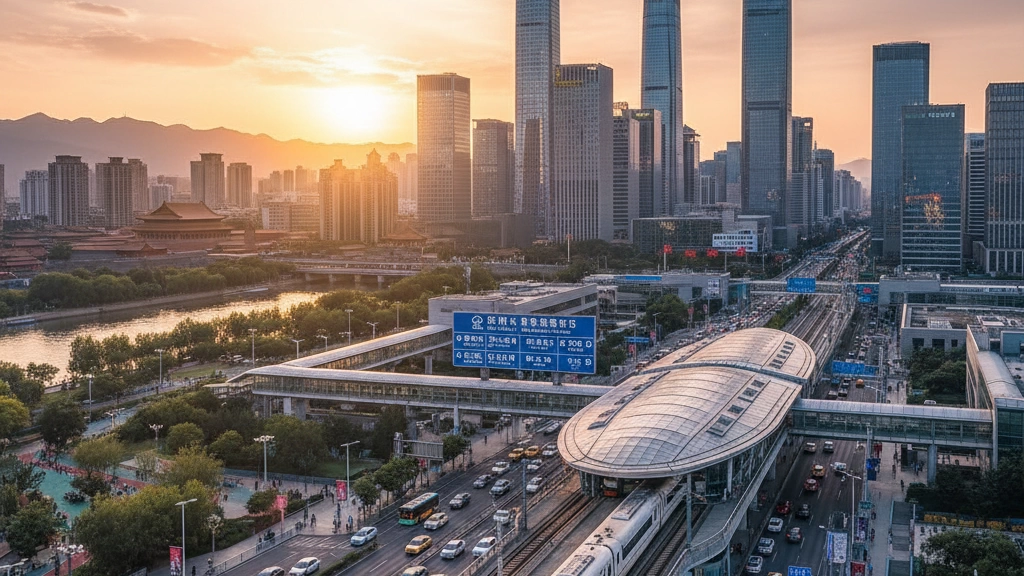
Once in Beijing, getting around is straightforward thanks to the extensive Beijing subway system. It’s affordable, clean, and reaches most major attractions—make sure you familiarize yourself with a good Beijing subway guide for easy navigation. For shorter distances or exploring neighborhoods like the hutongs, taxis and ride-sharing apps are convenient. Walking and biking are fun options in certain areas, especially in places like the old hutongs, where you can join guided hutong tours.
Where to Stay in Beijing: Top Neighborhoods and Booking Advice
Choosing the right neighborhood can make your Beijing travel experience much smoother. Here are some top areas to consider for every type of traveler:
- Dongcheng District: Ideal for first-timers who want to be close to iconic sites like the Forbidden City and Temple of Heaven. This area offers a mix of historic charm and modern amenities, with plenty of hotels and guesthouses to suit all budgets.
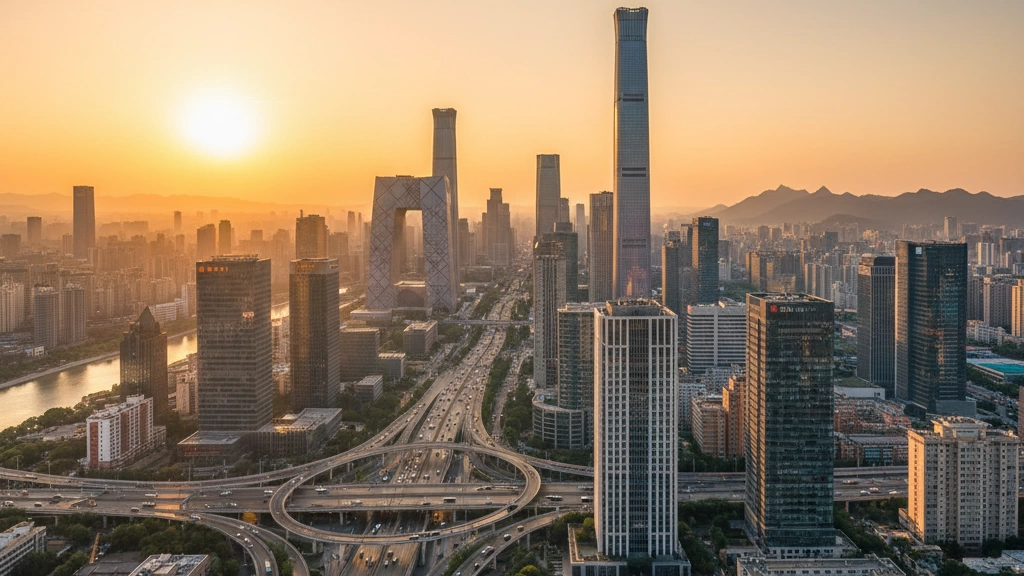
- Chaoyang District: Perfect for business travelers and those who want nightlife, international restaurants, and shopping. It’s also more modern, with easy access to the Beijing subway system.
- Haidian District: Great if you prefer a quieter atmosphere near parks and universities. It’s also near the Summer Palace, making it a good pick for cultural travelers.
- Hutong Areas: For a more authentic experience, staying in a traditional Beijing hutong offers quaint courtyard homes and charming local vibes. Book early, as these accommodations fill up fast.
Booking Tips
- Reserve your accommodations well in advance, especially if you plan to visit during peak times like the National Day holiday or spring cherry blossom season.
- Use apps that include Beijing subway guides to find hotels with easy access to public transit.
- Check if the hotel offers English-speaking staff to help with tours or local travel tips.
- Family travelers may want to book near major attractions with spacious rooms or family-friendly amenities.
Top Attractions in Beijing
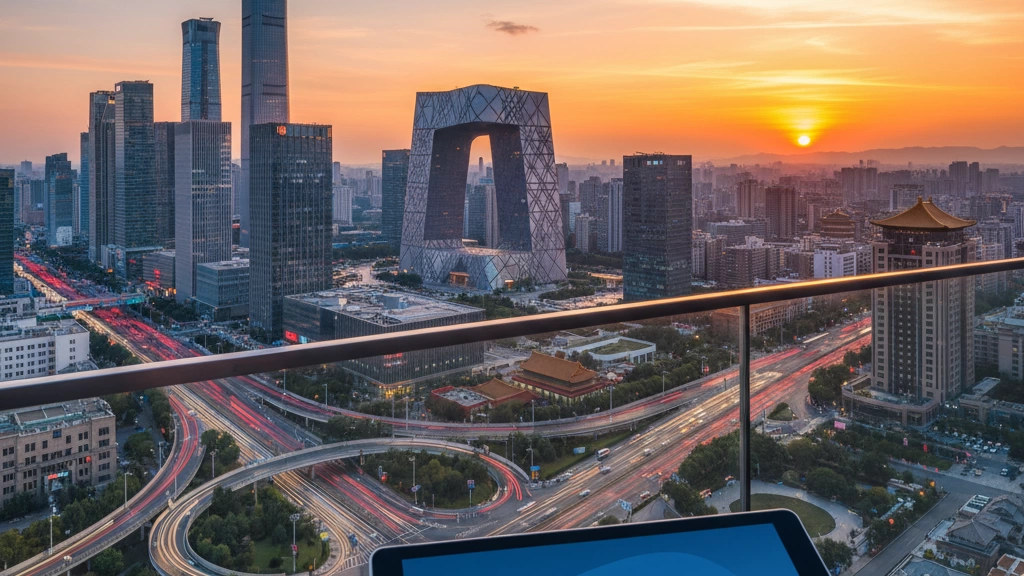
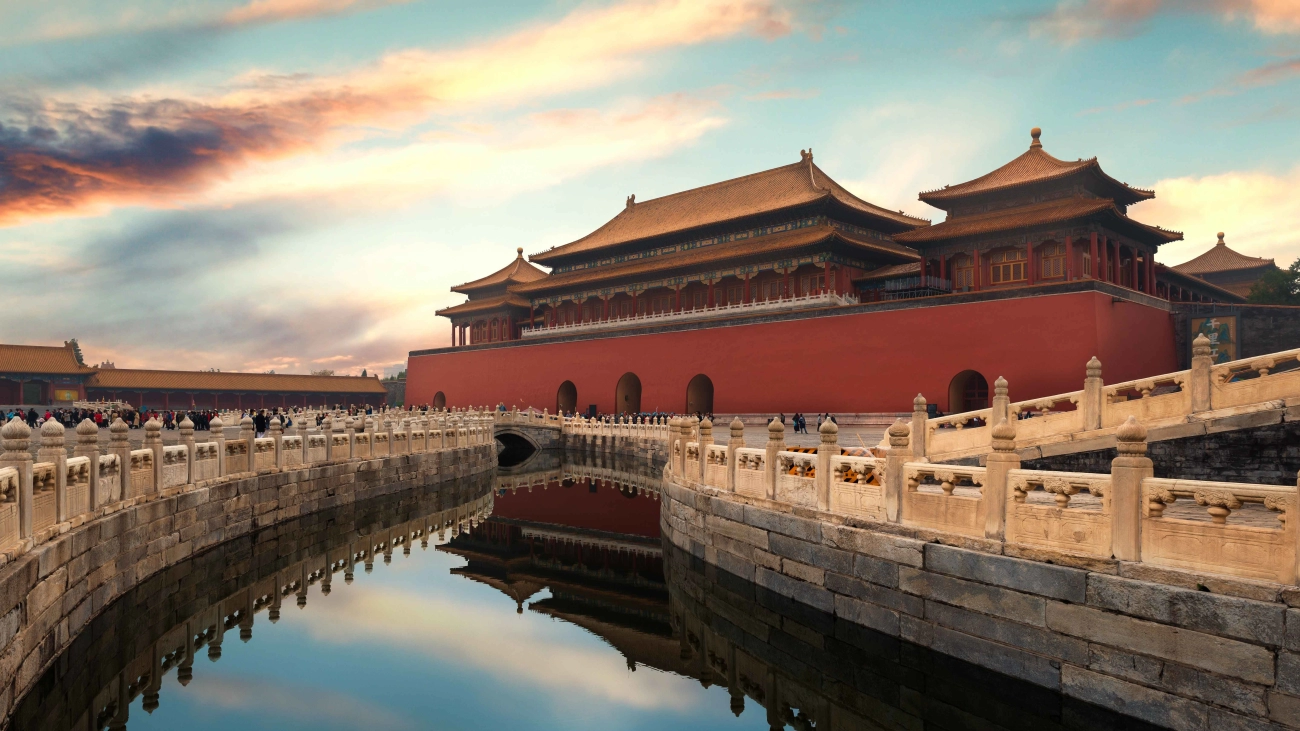
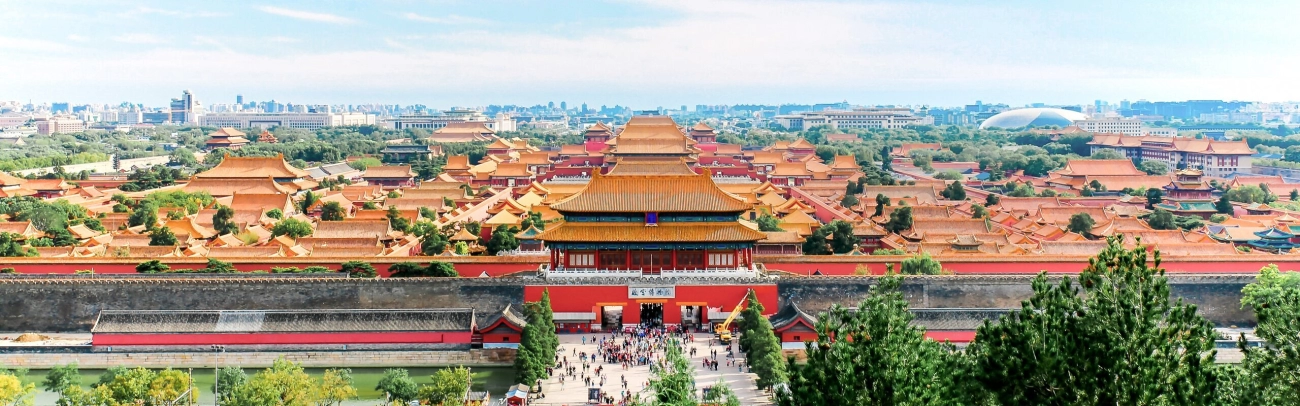
Beijing’s top attractions blend imperial history, natural beauty, and unique local culture. The Forbidden City is a must-see, with its vast palace grounds showcasing China’s imperial past—make sure to book your Forbidden City tickets in advance to avoid long lines. Nearby, the Temple of Heaven offers serene gardens and stunning architecture where ancient emperors once prayed for good harvests.
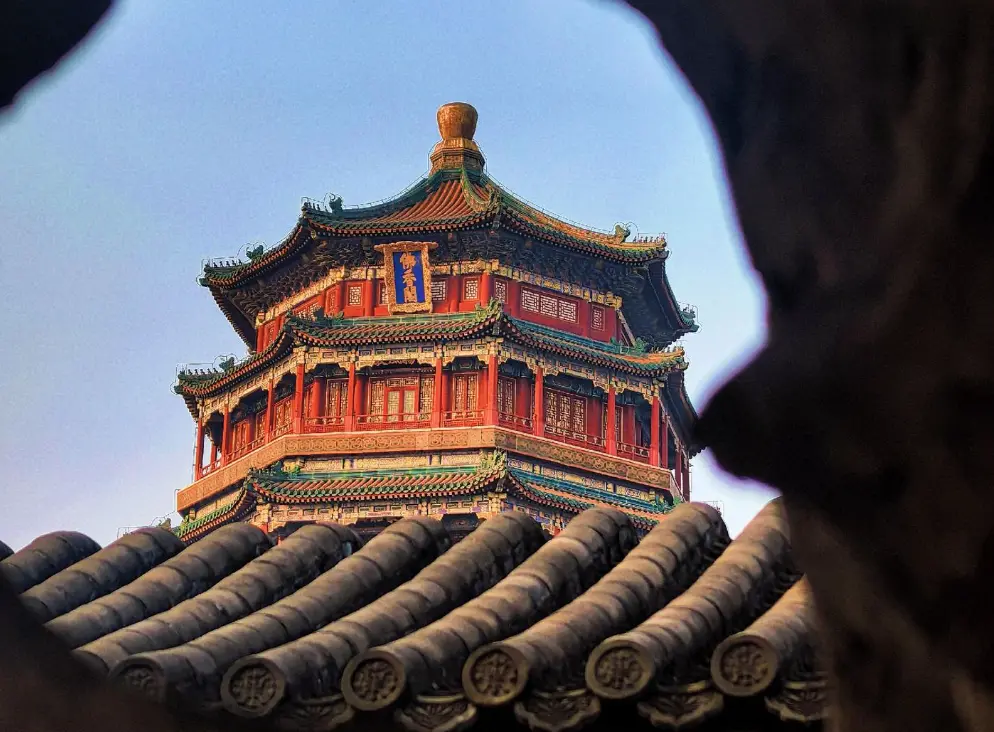
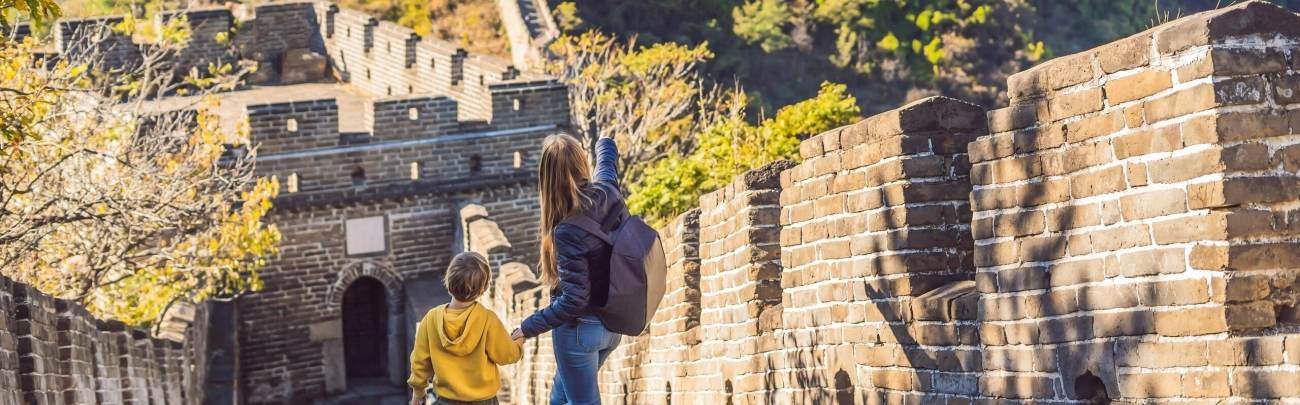
A day trip to the Great Wall is essential. Popular sections like Badaling and Mutianyu are easy to reach and well-preserved, but for a quieter experience, consider less crowded parts like Jinshanling. For those wanting a peaceful break, the Summer Palace features beautiful boat rides on its lake and sprawling gardens that provide a refreshing escape from the city buzz.
Don’t miss exploring Beijing’s historic hutongs—narrow alleyways that give you a glimpse into old Beijing life. Joining a Beijing hutong tour helps uncover charming courtyards, local shops, and street food spots often missed by tourists. For something off the beaten path, visit the 798 Art District for contemporary art or the Olympic Park to see modern architecture like the Bird’s Nest stadium.
Together, these sites offer a balanced mix of the iconic and the hidden gems of Beijing.
Sample 5-Day Itinerary in Beijing
Here’s a balanced 5-day plan that mixes Beijing’s rich history, culture, and vibrant modern life.
Day 1: Imperial Heritage
- Morning: Explore the Forbidden City with pre-booked tickets to skip lines.
- Afternoon: Walk through Tiananmen Square and visit the National Museum nearby.
- Evening: Enjoy Peking duck at one of the classic restaurants.
Day 2: Great Wall Adventure
- Full day: Take a Great Wall day trip to Mutianyu or Jinshanling — less crowded and stunning views.
- Late afternoon: Return to Beijing for a relaxed stroll in the nearby hutongs, soaking in local life.
Day 3: Temples and Parks
- Morning: Visit the Temple of Heaven to see ancient architecture and join locals practicing tai chi.
- Afternoon: Head to the Summer Palace and take a boat ride on Kunming Lake.
- Evening: Check out a hutong tour for a mix of history and local culture.
Day 4: Modern Beijing
- Morning: Explore the 798 Art District, a creative hub of galleries and shops.
- Afternoon: Visit the Olympic Park: see the Bird’s Nest and Water Cube.
- Evening: Dinner in Sanlitun, a lively area with bars and global dining options.
Day 5: Hidden Gems and Shopping
- Morning: Discover offbeat spots like the Lama Temple or the Confucius Temple.
- Afternoon: Shop at Wangfujing Street or Panjiayuan Market for souvenirs, crafts, and street food.
- Evening: Catch a Peking opera or acrobatics show for a unique cultural experience.
This itinerary is flexible — perfect for families, history buffs, or anyone wanting to experience the full spectrum of Beijing. For smooth travel within the city, check out the Beijing subway guide to easily move between attractions.
Culinary Journeys in Beijing
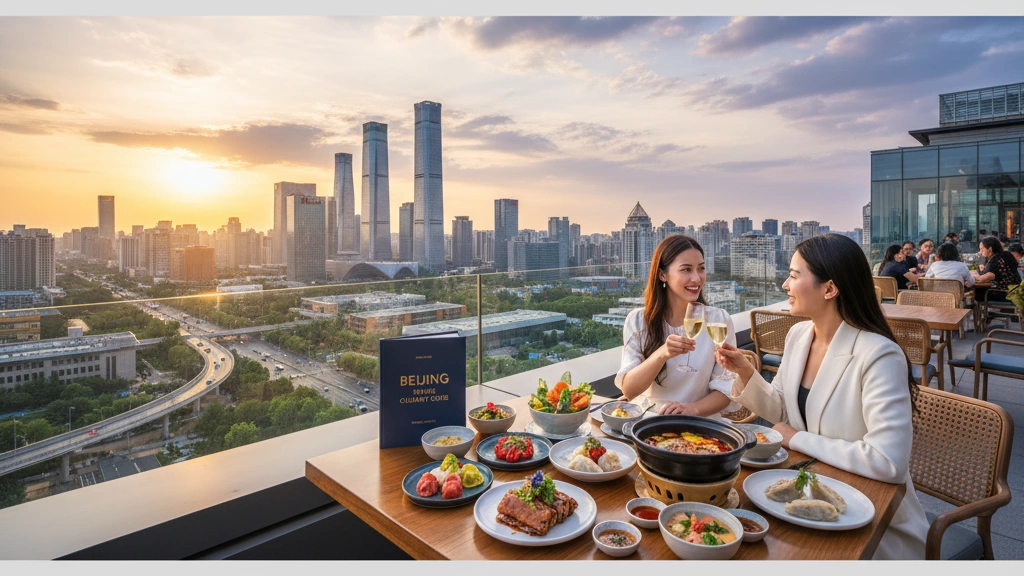
Beijing’s food scene is a must-explore part of your trip. The city is famous for Peking duck, a crispy, juicy duck served with thin pancakes, hoisin sauce, and scallions. Top spots like Quanjude or Dadong offer authentic experiences. Besides duck, try jiaozi (dumplings), zhajiangmian (noodles with soybean paste), and street snacks like jianbing (savory crepes).
For those with dietary preferences, Beijing has plenty of vegetarian and vegan-friendly restaurants, especially in areas like Sanlitun. Don’t miss local markets and smaller family-run hutong eateries, where you can savor homemade dishes in a traditional setting.
When dining in Beijing:
- Use chopsticks properly; it’s polite to avoid sticking them upright in rice.
- Don’t start eating before the host unless invited.
- Sharing dishes is common, so try a bit of everything.
- Tipping isn’t mandatory but appreciated in tourist areas.
For a deeper dive into local flavors, consider joining a food tour or exploring the vibrant streets during lunch or dinner. This way, you’ll taste Beijing’s rich culinary culture alongside its history.
Essential Travel Tips for Beijing
Tech Tools
- Download useful apps like the Beijing subway guide app for navigating public transit easily.
- Use VPN services if you want to access certain websites or apps restricted in China.
- Carry a portable charger; you’ll rely heavily on your phone for maps and translation apps.
Cultural Courtesy
- Greet with a simple nod or handshake; avoid overly familiar gestures.
- When visiting temples like the Temple of Heaven, dress modestly and follow local customs.
- Bargaining is common in markets but stay polite and friendly throughout.
Health and Safety
- Tap water isn’t safe to drink; buy bottled water or bring a reusable bottle with a filter.
- Have travel insurance that covers medical emergencies. Beijing’s healthcare facilities are good but can be pricey for tourists.
- Be cautious of pollution, especially in winter. Wearing a mask on high pollution days can protect your lungs.
Budget Planning
- Use public transport like the subway and buses to save money.
- Many attractions, including the Forbidden City, have advanced ticket booking options—reserve ahead to avoid long lines and higher prices.
- Street food and local eateries offer authentic tastes at friendly prices, especially spots known for Peking duck restaurants.
For more detailed travel advice and neighborhood guides, check out this comprehensive Beijing travel resource.