Crispy Beijing Beef Recipe Better Than Panda Express
What Is Beijing Beef?
If you’ve ever stood in line at Panda Express thinking, “What exactly is Beijing Beef, and why is everyone obsessed with it?” you’re not alone. Let’s clear it up.
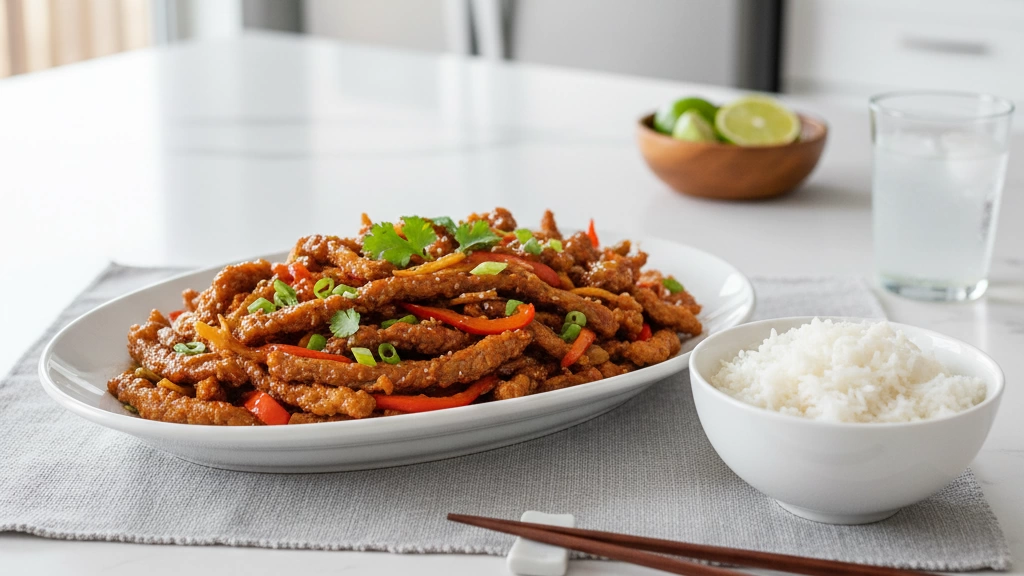
Beijing Beef is a Chinese-American beef stir fry made with:
- Crispy fried beef strips
- Bell peppers and onions
- A sweet, tangy, slightly spicy sauce (think chili, garlic, and a touch of vinegar)
It’s not traditional Chinese food. It’s a takeout-style beef recipe built for American taste buds: bold flavor, crispy texture, and a sticky, glossy sauce that clings to every piece of beef.
In simple terms:
Beijing Beef = crispy beef + sweet-spicy sauce + peppers + serious crunch.
Beijing Beef vs Authentic Beijing Dishes
Despite the name, Beijing Beef is not an authentic Beijing dish and you won’t find it in a typical restaurant in Beijing.
Here’s how it stacks up:
| Beijing Beef (Panda-style) | Authentic Beijing Dishes |
|---|---|
| Deep-fried crispy beef strips | Stir-fried, braised, or stewed beef, rarely battered |
| Sweet, tangy, chili sauce with sugar + vinegar | More balanced, less sugary sauces |
| Bell peppers and onions for color + crunch | Often uses leeks, scallions, cabbage, or celery |
| Created in the U.S. for Chinese-American menus | Rooted in regional Chinese techniques and history |
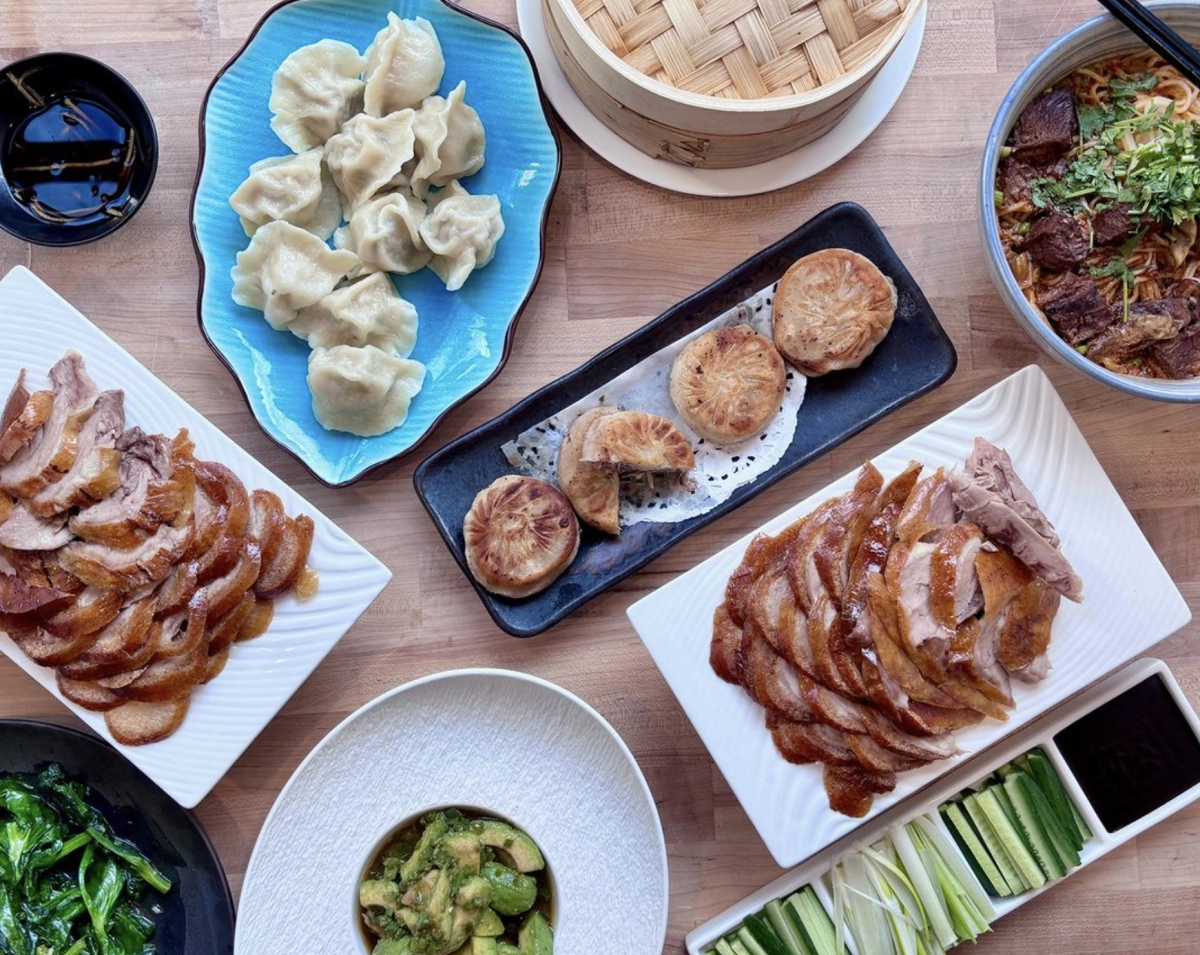
A few real dishes from or popular in Beijing:
- Zhajiangmian – noodles with savory fermented soybean and pork sauce
- Beijing-style stir-fries – lighter sauces, more emphasis on aromatics
- Peking duck – iconic roasted duck with pancakes and hoisin
So no, Beijing Beef is not “from Beijing.” It’s Beijing-inspired branding wrapped around a Chinese-American beef stir fry that hits all the right comfort-food buttons.
Why Beijing Beef Blew Up at Panda Express
Panda Express didn’t just get lucky with Beijing Beef. The dish is basically engineered to be addictive.
Here’s why it took off:
- Texture contrast: Crispy beef outside, juicy inside. Sauced, but still crackly when done right.
- Flavor overload:
- Sweet from sugar or brown sugar
- Tangy from rice vinegar or similar
- Spicy from chili sauce or flakes
- Savory umami from soy sauce and hoisin
- Visual appeal: Red peppers, deep-brown beef, glossy sauce. It looks like “better-than-takeout” on a plate.
- Predictable, repeatable flavor: Once you love it, you know exactly what you’re going to get every time you order.
- Perfect for the American palate: It leans sweeter and saucier than a lot of traditional Chinese dishes, which makes it a go-to for people who love bold, in-your-face flavors.
From a business angle, it’s genius:
- Low-cost ingredients (beef strips, peppers, onions)
- Huge perceived value (crispy, saucy, “special”)
- Works with rice, chow mein, or mixed plates
That’s why Panda Express Beijing Beef became a menu staple and a keyword people constantly search for: Panda Express copycat Beijing Beef, better than takeout Beijing Beef, homemade Beijing Beef, and more.
Why People Crave Beijing Beef at Home
If you’ve ever eaten Beijing Beef and later thought, “I wish I could make this at home,” you’re exactly the kind of home cook I build recipes for.
People crave homemade Beijing Beef because:
-
It’s pure comfort food.
Hot rice, crispy beef strips, sweet and spicy sauce—it’s exactly what you reach for after a long day. -
Takeout adds up fast.
Cooking your own Beijing Beef recipe at home:- Cuts the cost per serving
- Lets you control quality and portion size
- Makes weeknight dinners feel like “cheat takeout” without the delivery fee
-
You want control over ingredients.
At home you can:- Use better beef cuts (flank steak, sirloin, or your favorite stir fry beef)
- Adjust sweetness, heat, and tang to your taste
- Make healthy Beijing Beef by reducing oil, sugar, and sodium
- Keep it gluten-free or dairy-free if needed
-
You want that crispy Beijing Beef texture without guessing.
Frying at home can feel intimidating, but once you understand:- Slicing beef thin and against the grain
- Light battering with cornstarch
- Keeping the oil at the right temperature
…you suddenly have better-than-takeout Beijing Beef coming out of your own kitchen.
-
It’s a crowd-pleaser.
Kids like the sweetness, adults like the spice, and it pairs perfectly with:- Steamed rice
- Fried rice
- Chow mein or lo mein
- Simple veggie sides
In the U.S. market especially, where Chinese-American food culture is part of the weeknight rotation, learning to make a reliable sweet and spicy beef stir fry like Beijing Beef at home is a power move. You’re not just copying Panda Express—you’re upgrading it to fit your own kitchen, your own schedule, and your own taste.
Beijing Beef Flavor Profile
Crispy Beijing Beef Texture
When I say crispy Beijing Beef, I mean:
- Thin, fried beef strips with a light, crackly coating
- Tender inside, crisp outside – no toughness, no soggy breading
- A cornstarch-based batter that fries up light instead of heavy or bready
The goal is that restaurant-style bite:
You get crunch first, then juicy, beefy flavor under the coating. The beef is usually flank steak or sirloin, sliced thin against the grain, lightly marinated, then coated and fried hot so it stays crisp even after sauce hits it (at least for a bit).
Sweet, Tangy, Spicy Beijing Beef Sauce
The Beijing Beef sauce is what hooks people. It leans bold and punchy, not subtle. Think:
- Sweet:
- Brown sugar or honey
- Hoisin sauce for that sweet-savory depth
- Tangy:
- Rice vinegar for brightness
- A little ketchup or tomato paste for that American takeout vibe
- Spicy:
- Chili paste, chili flakes, or a bottled Asian chili sauce
- Heat level easily adjustable for family dinners
Flavor-wise, it hits:
- Sweet first,
- then tangy and sharp,
- finishing with a slow, warm heat.
Bell peppers, onions, garlic, and ginger round it out so the sauce doesn’t feel like just sugar and chili. The result is a sweet and spicy beef stir fry that tastes like classic Chinese-American takeout, not traditional Beijing street food.
How Beijing Beef Compares to Other Chinese-American Dishes
If you’re used to other Chinese-American beef dishes, here’s how Beijing Beef stacks up:
- Vs. Orange Chicken / General Tso’s:
- Similar sweet-spicy profile, but richer and beefier
- Less citrus, more hoisin and chili
- Vs. Mongolian Beef:
- Mongolian Beef is more savory and garlicky, with a soy-based sauce
- Beijing Beef is sweeter, tangier, and more aggressively sauced
- Vs. Broccoli Beef:
- Broccoli Beef is lighter, more soy-forward and veggie-heavy
- Beijing Beef is more like a crispy, deep-fried comfort food with bold sauce
- Vs. Sweet and Sour Beef:
- Sweet and sour leans sharp and vinegary
- Beijing Beef is rounder and deeper, with chili heat and hoisin richness
Bottom line: Beijing Beef is that sweet, tangy, spicy, crispy beef stir fry you crave when you want Panda Express style flavor at home – big sauce, big crunch, big payoff.
Beijing Beef Ingredients
Best Beef Cuts for Beijing Beef
For crispy, juicy Beijing Beef at home, the cut matters more than anything.
Go for:
- Flank steak – My top pick. Lean, flavorful, and slices thin easily. Perfect for crispy beef strips.
- Sirloin (top sirloin) – Slightly thicker, still tender and great for a weeknight Beijing Beef stir fry.
- Skirt steak – Super flavorful but a bit tougher; slice extra thin and marinate longer.
- Ribeye – Rich and tender, more indulgent and higher in fat (great if you want that “better than takeout Beijing Beef” feel).
Tips:
- Slice against the grain into thin strips (about 1/4 inch).
- Trim big pockets of fat, but keep a little marbling for flavor.
Classic Beijing Beef Sauce Ingredients
The sauce is what makes Beijing Beef taste like Panda Express-style sweet, tangy, and lightly spicy beef.
Build your Beijing Beef sauce with:
- Hoisin sauce – Sweet, savory base with depth.
- Ketchup – Signature American-Chinese tang and color.
- Soy sauce – Umami and salt.
- Brown sugar – Caramel sweetness and glossy finish.
- Rice vinegar – Bright tang that balances the sweetness.
- Chili garlic sauce or sambal oelek – Heat and garlic kick.
- Oyster sauce (optional) – Extra savory depth.
- Cornstarch slurry (cornstarch + water) – To thicken the sauce and coat the crispy beef strips.
You can tweak the ratios depending on whether you like it:
- Sweeter – More brown sugar or hoisin.
- Tangier – More rice vinegar.
- Spicier – More chili sauce or a pinch of red pepper flakes.
Bell Peppers, Onions, and Aromatics
Just like your favorite takeout, Beijing Beef with bell peppers and onions adds color, crunch, and flavor.
Use:
- Bell peppers – Red and green are classic. Slice into strips.
- Onion – Yellow or white onion, sliced into wedges or strips.
- Garlic – Minced or thinly sliced.
- Ginger – Fresh ginger, minced, for a brighter flavor.
- Green onions (optional) – Sliced for garnish and fresh bite.
Stir-fry these quickly over high heat so they stay crisp-tender, not mushy.
If you’re into exploring where this dish definitely did not come from, reading about real Beijing food and culture puts this Chinese-American creation in fun perspective.
Easy Substitutions (Gluten-Free, Dairy-Free, Vegetarian)
Gluten-free Beijing Beef:
- Use tamari or certified gluten-free soy sauce instead of regular soy sauce.
- Choose gluten-free hoisin and gluten-free oyster sauce (or skip oyster sauce).
- Make sure your chili sauce and ketchup are labeled gluten-free.
- Use cornstarch or potato starch for coating and thickening (both naturally gluten-free).
Dairy-free Beijing Beef:
- This dish is naturally dairy-free as long as you use oil, not butter.
- Most Asian sauces are dairy-free, but always double-check labels.
Vegetarian / Vegan Beijing “Beef”:
- Swap beef for:
- Extra-firm tofu (pressed and cut into strips, then coated and fried)
- Seitan (if you’re okay with gluten)
- Mushrooms (portobello or shiitake strips for a meaty bite)
- Replace oyster sauce with:
- Mushroom stir-fry sauce or
- Extra hoisin + soy sauce
Pantry Swaps When You Don’t Have Asian Sauces
If your pantry is missing some Asian staples, you can still make a solid homemade Beijing Beef.
If you don’t have hoisin:
- Mix:
- 2 parts barbecue sauce
- 1 part soy sauce
- a small spoon of peanut butter or tahini (for body)
- a pinch of five-spice or ground cinnamon (optional)
If you don’t have rice vinegar:
- Use apple cider vinegar or white vinegar, but reduce the amount slightly (they’re stronger).
- Add a pinch of sugar if it tastes too sharp.
If you don’t have chili garlic sauce:
- Use:
- Sriracha + minced garlic, or
- Red pepper flakes + garlic powder.
If you don’t have oyster sauce:
- Extra soy sauce + brown sugar, or
- Mushroom sauce if you keep it in your pantry.
Even with these swaps, you’ll still get a sweet and spicy beef stir fry that scratches that Panda Express Beijing Beef itch without leaving your kitchen.
How to Prep Beef for Beijing Beef
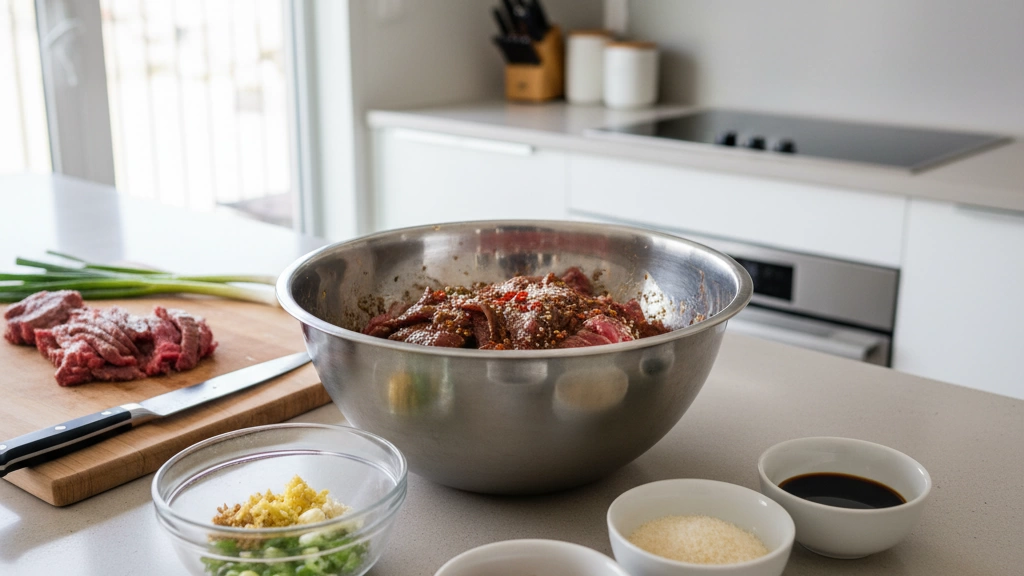
Getting the beef right makes or breaks homemade Beijing Beef. Here’s exactly how I prep it so it comes out tender inside, crispy outside, and full of flavor.
Slicing Beef Thin and Against the Grain
For classic crispy Beijing Beef strips, I:
- Use flank steak, sirloin, or flat iron
- Trim excess fat and pat the meat dry
- Look for the “grain” (the lines running in one direction)
- Slice across those lines, not along them
- Cut into thin strips, about 1/4 inch thick, similar in size so they cook evenly
Why it matters:
Cutting against the grain shortens the muscle fibers, so the beef stays tender instead of chewy, even after frying.
Velveting Beef With Cornstarch and Baking Soda
For that restaurant-style velveting (super tender beef you expect in Chinese-American takeout), I use a simple mix:
Basic velveting per pound of beef:
- 1–1.5 tsp cornstarch
- 1/4–1/2 tsp baking soda
- 1–2 tsp soy sauce
- 1–2 tsp oil (canola, avocado, or peanut)
Steps:
- Add soy sauce and baking soda to the sliced beef, toss well.
- Sprinkle in cornstarch and coat until every strip looks lightly dusty, not pasty.
- Add oil and mix again to separate the pieces.
What it does:
- Baking soda gently raises the pH and softens the fibers (super helpful for cheaper cuts).
- Cornstarch creates a light coating that helps the beef fry up crispy and catch the Beijing Beef sauce.
- Oil keeps the strips from clumping when you fry or air fry.
Quick Marinades for Tender, Flavorful Beef
If I want maximum flavor without a long wait, I use a quick Beijing Beef marinade that also works as the base for the batter:
Sample marinade per pound of beef:
- 1.5–2 tbsp soy sauce
- 1 tbsp rice vinegar or Shaoxing wine
- 1 tsp sugar or brown sugar
- 1 tsp garlic (minced or powder)
- 1 tsp ginger (minced or powder)
- 1–2 tsp cornstarch
- Optional: 1 tsp chili paste or sriracha for heat
Tips:
- Mix the marinade first, then toss it with the sliced beef.
- The beef should look lightly coated, not swimming in liquid.
- If it gets too wet, sprinkle in a bit more cornstarch before cooking so it can still get crispy.
How Long to Marinate Beef for Beijing Beef
You don’t need an all-day soak for homemade Beijing Beef:
- Minimum: 10–15 minutes at room temp (good for busy weeknights)
- Ideal: 30–45 minutes in the fridge for deeper flavor
- Max: 1–2 hours if you’re using baking soda in the mix
Key timing rules:
- If your marinade includes baking soda, keep it to under 1 hour so the texture doesn’t go mushy.
- If you skip baking soda and just use soy, aromatics, and cornstarch, you can go up to 2 hours.
- Always let the beef come closer to room temp for 10–15 minutes before cooking so it sears instead of steaming.
Dialing in these steps—thin slicing, velveting, a quick but smart marinade, and the right marinating time—is how I get that better-than-takeout Beijing Beef texture and flavor at home.
How to Make Beijing Beef Step by Step
When I make Beijing Beef at home, I treat it like a simple assembly line: sauce → beef → fry → veggies → toss. Here’s the exact flow.
Mixing the Beijing Beef Sauce
Get the Beijing Beef sauce ready first so you can move fast later.
Whisk together in a bowl:
- Hoisin sauce
- Ketchup or tomato paste
- Soy sauce (or tamari for gluten-free)
- Rice vinegar (or apple cider vinegar)
- Brown sugar or honey
- Garlic and ginger (fresh or paste)
- Chili sauce (like sambal oelek or chili garlic sauce)
- A splash of water to thin
- Cornstarch to help the sauce thicken and cling
Taste and adjust:
- Too sweet? Add a bit more vinegar.
- Too tangy? Add sugar.
- Not spicy enough? Add more chili.
Coating and Battering the Beef
For crispy Beijing Beef strips, you want a light, dry coating—not a thick, cakey batter.
- Pat the beef dry with paper towels.
- Toss slices in:
- Cornstarch (main coating)
- A pinch of salt, pepper, and optional garlic powder
- Shake off excess so each piece is dusted, not clumped.
If you want extra crunch:
- Dip beef quickly in a beaten egg white, then toss again in cornstarch.
Frying Methods: Deep-Fry, Shallow-Fry, or Air-Fry
You’ve got options depending on your kitchen and how much oil you’re okay using.
1. Deep-fry (most like Panda Express Beijing Beef):
- Heat neutral oil (canola, peanut, or vegetable) to 350–365°F.
- Fry beef in small batches 2–3 minutes until golden and crisp.
- Drain on a wire rack or paper towels.
2. Shallow-fry (less oil, still very crispy):
- Add about ¼ inch of oil to a wide pan.
- Fry beef in a single layer, flipping once, until both sides are crisp.
- Drain well.
3. Air-fry Beijing Beef (lighter option):
- Lightly spray coated beef with oil.
- Air-fry at 390–400°F for 8–12 minutes, shaking once halfway.
- Pull when browned and crisp.
Stir-Frying the Veggies for Crunch
Use a hot wok or large skillet so the veggies stay crisp-tender.
- Add 1–2 tablespoons oil to a very hot pan.
- Toss in:
- Bell peppers (red and green work great)
- Onion slices
- Stir-fry on high heat for 2–3 minutes:
- You want light char and crunch, not soft and soggy.
- Add a bit of garlic and ginger at the end so they don’t burn.
If you’re into travel and food culture, you’ll see similar stir-fry techniques all over China, from Shanghai to spots you might hit on a day trip from Shanghai’s Venice-style water towns.
Combining Beef, Veggies, and Sauce in the Wok
This is where homemade Beijing Beef turns into that glossy, sticky, “better than takeout” dish.
- Lower the heat slightly (still medium-high).
- Pour the Beijing Beef sauce around the pan, not just in one spot.
- Stir until it bubbles and thickens—this happens fast, about 30–60 seconds.
- Add the crispy beef strips back in.
- Toss quickly to coat everything in sauce:
- Don’t simmer too long or the beef will soften.
- Turn off the heat as soon as everything is evenly glazed.
Serve right away over steamed rice, fried rice, or noodles for that full Chinese-American takeout at home feel.
How to Get Crispy Beef for Beijing Beef
If the beef isn’t crispy, the whole Beijing Beef recipe falls flat. Here’s exactly how I keep those beef strips shatter‑crisp, even after they’re sauced.
Oil Temperature and Frying Time
For crispy Beijing Beef, heat matters more than anything.
- Aim for 350–375°F (175–190°C) oil.
- Too low = greasy, soggy beef.
- Too high = dark outside, chewy inside.
Quick guide:
- Test the oil: Drop in a tiny piece of battered beef.
- If it sinks, then quickly floats and bubbles actively, the oil is ready.
- If it barely bubbles, it’s too cold.
- Fry in small batches: Don’t crowd the pan or wok—this drops the temperature fast.
- Timing:
- Thin beef strips usually take 2–3 minutes per fry.
- You’re looking for light golden on the first fry, then deep golden and crisp on the second (if you double fry).
Single Fry vs Double Fry Method
You can get crispy Beijing Beef both ways, but they behave differently.
Single fry (faster, still good):
- Fry battered beef once at 360–370°F until golden and cooked through.
- Best when you’ll serve immediately and don’t plan to hold it long.
- Good for busy weeknights or smaller batches.
Double fry (best crunch, Panda Express style):
- First fry:
- 325–340°F, 1.5–2 minutes, just until set and pale golden.
- Remove and rest on a rack.
- Second fry:
- 370–380°F, 45–60 seconds, until deep golden and super crisp.
Why it works:
- The first fry cooks the beef and sets the coating.
- The second fry removes surface moisture and “locks in” the crunch, even when you add the Beijing Beef sauce.
Avoiding Soggy Beef and Wet Batter
Most soggy Beijing Beef problems come from too much moisture and cold oil. I always lock in these habits:
- Pat the beef dry before marinating or coating. Any extra moisture kills crispiness.
- Use a light, clingy coating:
- Toss beef in cornstarch (or cornstarch + a little flour) until every strip is lightly, evenly coated—no thick, drippy batter.
- Don’t let coated beef sit too long before frying.
- Fry within 10–15 minutes of coating so the starch doesn’t absorb too much liquid.
- Keep the sauce separate until the very end.
- Veggies and sauce go in the wok first. Crispy beef goes in last, tossed quickly, then straight to the plate.
Keeping Cooked Beef Crispy Until Serving
If you’re cooking for a family or a crowd, you need the beef to stay crisp while you finish rice, noodles, or sides.
- Use a wire rack, not paper towels.
- Paper towels trap steam and soften the crust.
- A rack lets air circulate and keeps the coating crunchy.
- Vent the beef, don’t cover it.
- Never cover fried beef with foil or a lid—steam will undo all your work.
- Hot oven trick:
- Keep fried beef on a rack in a 250°F oven while you cook the sauce and veggies.
- Sauce at the last second:
- Have your Beijing Beef sauce ready and hot in the wok.
- Add the crispy beef, toss for no more than 20–30 seconds, then serve right away.
Dialing in these steps gives you crispy Beijing Beef that actually tastes like your favorite Chinese-American takeout—only fresher and usually better than anything you’d get on a quick food run after a day exploring places like modern food hubs in cities such as Shanghai.
Beijing Beef in a Wok vs Regular Pan
When I test Beijing Beef at home, the pan you use changes everything. You can absolutely get crispy Beijing Beef in a regular pan, but a wok will give you better sear, faster cooking, and more of that restaurant “stir-fry” vibe.
Best pans for Beijing Beef at home
Here’s what actually works in a U.S. home kitchen:
- Carbon steel wok (flat-bottom)
- Heats fast, responds quickly
- Great for high heat + tossing beef and veggies
- Flat bottom sits better on most home stoves
- Heavy stainless steel skillet
- Good if you don’t own a wok
- Handles high heat, decent browning
- Cast iron skillet
- Excellent crust on the beef
- Heavier, not as easy to toss, but solid for shallow-frying
For most home cooks, I recommend a 12–14 inch flat-bottom carbon steel wok plus a solid stainless skillet as backup. If you’re into exploring more Chinese dishes beyond Beijing Beef, it pairs perfectly with learning about regional food like the classics highlighted in this Chinese food and culture guide.
How to get wok hei (wok char) on a home stove
You won’t hit full restaurant wok hei on a standard U.S. stove, but you can get close enough for killer Beijing Beef:
- Preheat the wok until it’s smoking hot before oil goes in
- Work in small batches – crowded pans steam the beef instead of crisping it
- Use a high-smoke-point oil: canola, peanut, sunflower, or avocado
- Add aromatics (garlic, ginger, green onion) after the beef is crisped so they lightly char, not burn
- Keep the food moving fast – constant toss or stir to hit hot spots
Stir-fry tips for high heat cooking
High heat is non‑negotiable if you want crispy Beijing Beef with that takeout-style sear:
- Dry everything well
- Pat beef dry before coating
- Don’t rinse veggies right before cooking; if you do, dry them off
- Heat order matters
- Preheat empty wok/pan
- Add oil
- Add beef (in a single layer)
- Let it sit a few seconds to sear, then stir
- Cook the beef and veggies separately
- Fry the beef until crispy, remove
- Stir-fry peppers and onions just until crisp-tender
- Combine everything with the Beijing Beef sauce at the end, over high heat, for 30–60 seconds
- Don’t drown it in sauce
- Too much sauce = soggy beef
- You want just enough to glaze the beef strips and veggies
Use high heat, the right pan, and small batches, and your homemade Beijing Beef will taste like legit Chinese-American takeout, not a soggy stir-fry.
Beijing Beef Copycat Panda Express Version
What Makes Panda Express Beijing Beef Unique
Panda Express Beijing Beef is all about three things: crispy batter, bold sweet-heat sauce, and tender strips of beef. It’s not traditional Beijing food, it’s pure Chinese-American comfort—same lane as orange chicken, just with beef and peppers.
Key traits you want to copy at home:
- Thin, crispy beef strips – lightly battered, crunchy outside, still tender inside
- Thick, glossy sauce – sticks to every piece, not runny
- Balanced flavor – sweet first, then tangy, then a slow chili heat
- Simple veggies – red bell peppers and onions, still a bit crisp
If you’re into the “Americanized Chinese” style you’ll see in malls from LA to New York, Beijing Beef sits right next to orange chicken and chow mein in that same flavor universe that grew out of the broader Chinese-American food culture.
Core Beijing Beef Copycat Sauce (Panda Express Style)
Here’s a fast baseline for a homemade Beijing Beef sauce that gets very close to Panda Express:
Beijing Beef copycat sauce (for about 1 lb beef):
- 3 tbsp ketchup
- 2½–3 tbsp hoisin sauce
- 2 tbsp soy sauce (or tamari for gluten-free)
- 2½ tbsp brown sugar (light or dark)
- 1½–2 tbsp rice vinegar
- 1–2 tsp chili garlic sauce or sambal oelek
- ½ tsp crushed red pepper flakes (more if you like it hot)
- 1–2 cloves garlic, minced
- 1 tsp grated ginger (optional but recommended)
- ¼–⅓ cup water
- 1–1½ tsp cornstarch (to thicken)
Whisk everything together until smooth. Taste it before it hits the pan so you can dial it in.
Tweaks to Match Panda Express Beijing Beef Flavor
To really lock in that Panda Express Beijing Beef profile, I’d tweak in this order:
-
Lean harder on ketchup and hoisin
- If the sauce doesn’t feel “mall food” enough, bump ketchup by ½–1 tbsp and hoisin by ½ tbsp.
- That combo gives you the deep red color and glossy, sticky finish.
-
Use brown sugar plus a touch of vinegar
- Panda’s version has a candy-like sweetness with a clear tang.
- Brown sugar = deeper, caramel note.
- Rice vinegar = that sharp back note that keeps it from being flat.
-
Keep the garlic noticeable
- Don’t be shy: 2 cloves minimum for 1 lb beef.
- This keeps it from tasting like straight ketchup sauce.
-
Thicken enough to cling
- Sauce should coat a spoon thickly, not drip off like soup.
- If it’s thin after simmering 1–2 minutes, stir in another ½ tsp cornstarch mixed with 1 tbsp water.
Adjusting Sweetness, Heat, and Tang to Taste
Everyone’s “perfect Panda Express Beijing Beef” is a little different. Use this as a quick dial-in guide:
For more sweetness (closer to food court style):
- Add 1–2 tsp brown sugar at a time, whisk, then taste.
- You can also add ½ tbsp extra hoisin instead of more sugar if you want sweetness + umami.
For more tang (brighter sauce):
- Add ½ tsp rice vinegar at a time.
- If you overdo it, balance back with a bit more sugar or ketchup.
For more heat (spicy Beijing Beef):
- Add one or more of these:
- Extra chili garlic sauce (more body and flavor)
- Extra crushed red pepper flakes (clean heat)
- A little sriracha for smoother, garlicky spice
- Add in tiny amounts, simmer 30 seconds, then taste again.
For a milder, family-friendly version:
- Skip or halve the chili garlic sauce.
- Cut crushed red pepper to a pinch or leave it out entirely.
- The sauce will still be bold, just less burn.
Quick How I Nail a Panda Express Style Beijing Beef at Home
- Use thinly sliced beef in a light cornstarch batter for crispiness.
- Build a ketchup + hoisin + brown sugar + rice vinegar sauce for that signature sweet-tangy base.
- Add chili garlic sauce and red pepper flakes for heat, adjusting slowly.
- Reduce and thicken the sauce until it’s shiny and clings to every crispy beef strip and pepper slice.
Dial the sugar, spice, and vinegar to your own “Panda memory,” and you’ll have a better-than-takeout Beijing Beef coming out of your own kitchen.
Easy Beijing Beef for Busy Weeknights
When I build recipes for my brand, I assume you’re tired, hungry, and don’t want a sink full of dishes. This easy Beijing Beef recipe is built for real weeknights: 30 minutes, one pan, and ready for meal prep or the freezer.
30-Minute Beijing Beef Method
Here’s the fastest way I make easy Beijing Beef at home that still tastes like Panda Express Beijing Beef:
1. Prep first (5–10 minutes)
- Slice beef thin (flank steak or sirloin) and toss quickly with:
- 1–2 tbsp soy sauce (or tamari)
- 1 tbsp cornstarch
- 1 tsp oil
- Slice bell peppers and onions into strips.
- Stir together a quick Beijing Beef sauce:
- 2 tbsp hoisin
- 2 tbsp ketchup
- 2–3 tbsp brown sugar
- 2 tbsp soy sauce
- 1–2 tbsp rice vinegar
- 1–2 tsp chili sauce (Sriracha, chili garlic sauce, or gochujang)
- Splash of water to thin
2. Fast “no-batter” crispy beef (8–10 minutes)
- Heat a large skillet or wok over medium-high.
- Add a thin layer of oil.
- Spread beef out in a single layer; don’t crowd.
- Sear 1–2 minutes per side until browned and a little crispy.
- Remove beef to a plate.
3. Stir-fry veggies and sauce (8–10 minutes)
- In the same pan, add a touch more oil if needed.
- Stir-fry bell peppers and onions 3–4 minutes until crisp-tender.
- Pour in sauce and simmer 1–2 minutes to thicken.
- Toss beef back in, stir to coat, and cook 1–2 minutes more.
Serve over steamed rice, fried rice, or noodles for a full takeout-style Chinese-American dinner at home in about half an hour.
One-Pan / One-Wok Beijing Beef Hack
To really keep it weeknight-friendly for US home kitchens, I design this as a true one-pan Beijing Beef:
- Use a wide pan: A big nonstick skillet or wok makes it easier to sear beef and stir-fry in the same place.
- Cook in batches, same pan:
- Brown beef → remove
- Stir-fry veggies → add sauce
- Return beef → toss and serve
- Minimal measuring: Pre-mix the Beijing Beef sauce in a jar on Sunday and just “dump and stir” on weeknights.
- Less oil, less mess: Skip deep-frying and heavy batter; the cornstarch coating gives you crispy beef strips with way less cleanup.
Make-Ahead Beijing Beef Meal Prep Tips
For US customers who meal prep for work or school, this Beijing Beef meal prep setup works really well:
What I do ahead:
- Pre-slice and marinate beef (up to 24 hours):
- Keep in a sealed container with soy sauce, a little sugar, and cornstarch.
- Pre-cut veggies:
- Store bell peppers and onions in a separate airtight container.
- Pre-mix sauce:
- Shake it in a mason jar and keep in the fridge 3–4 days.
Meal prep containers:
- Portion Beijing Beef stir fry into containers with:
- White or brown rice
- Or cauliflower rice for low-carb Beijing Beef
- Cool completely before sealing so it doesn’t get soggy.
Fridge life:
- Keeps well 3–4 days in the fridge.
- Reheat in a skillet with a splash of water or in the microwave (see below).
Freezing and Reheating Beijing Beef
If you like stocking your freezer with homemade Chinese takeout, this Beijing Beef recipe freezes better than most people expect.
How to freeze:
- Let the cooked Beijing Beef cool completely.
- Portion into freezer-safe containers or bags.
- Push out extra air; label with the date.
- Freeze up to 2–3 months.
Best way to reheat (so it stays tasty):
From the fridge:
- Skillet (best texture):
- Medium heat, add 1–2 tbsp water.
- Stir 3–5 minutes until hot and glossy again.
- Microwave (fastest):
- Cover loosely.
- Heat 60–90 seconds, stir, then another 30–60 seconds.
From frozen:
- Option 1: Thaw overnight in the fridge, then reheat as above.
- Option 2: Reheat from frozen:
- Microwave on medium power 3–5 minutes, stirring once or twice.
- Or warm in a covered skillet with a splash of water over low-medium heat.
If you know you’ll freeze it, keep the sauce slightly thicker so it doesn’t water down when you reheat.
If you want a better-than-takeout Beijing Beef that works for busy US weeknights, this 30-minute, one-pan, freezer-friendly method is exactly how I cook it in my own kitchen—and how I design it for my customers.
Beijing Beef Variations
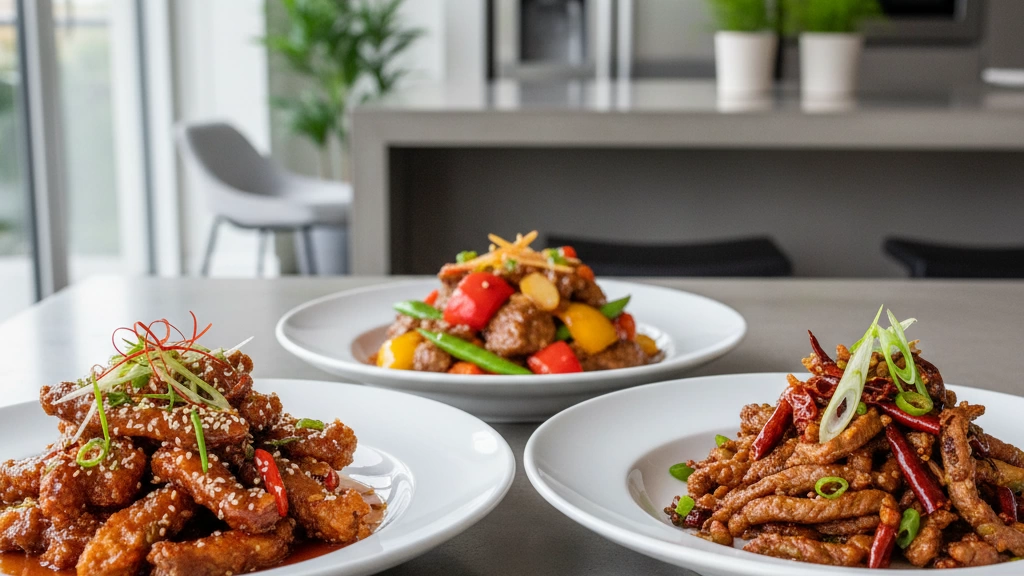
If you already love classic Beijing Beef, here are a few smart twists I lean on to match different tastes and diets without losing that crispy, sweet, and spicy payoff.
Spicy Sichuan-Style Beijing Beef
If you like heat, this “Sichuan-inspired” Beijing Beef hits harder than the Panda Express version.
How I add Sichuan flavor:
- Use dried chilies: Toss in whole dried red chilies while stir-frying the aromatics.
- Add Sichuan peppercorns: Lightly crush and toast them for that signature numbing heat.
- Boost chili sauce: Swap part of the ketchup or sweet chili sauce with doubanjiang (chili bean paste) or chili crisp.
- More garlic and ginger: Double the aromatics for a punchier, restaurant-style flavor.
You still get crispy beef strips, but with a bolder, smokier, spicy finish that feels closer to a Sichuan beef stir fry.
Healthier Beijing Beef (Less Oil, More Veggies)
To make a healthier Beijing Beef recipe without killing the fun, I focus on three levers: oil, batter, and veggies.
Smart tweaks:
- Skip deep frying:
- Use shallow pan-fry with a thin cornstarch coating, or
- Use an air fryer Beijing Beef method with a light spray of oil.
- Lighter batter: Just coat the beef in cornstarch + a little soy sauce instead of a thick wet batter.
- Load up veggies: Double or even triple the bell peppers, onions, snap peas, broccoli, or carrots.
- Sauce with less sugar: Cut brown sugar by 25–50% and lean more on rice vinegar, garlic, and chili for flavor.
- Use leaner cuts: Flank steak, sirloin, or even eye of round sliced thin against the grain.
You still get a sweet and spicy beef stir fry, just with better macros and more fiber on the plate.
Beijing Beef with Chicken, Tofu, or Pork
If beef isn’t the move for you (budget, taste, or diet), the sauce and method work great with other proteins.
Beijing Chicken (my budget-friendly swap):
- Use boneless skinless chicken thighs or breasts, sliced thin.
- Coat in cornstarch, shallow-fry or air-fry, then toss in the same Beijing Beef sauce with peppers and onions.
- Texture is similar to a crispy orange chicken, but with that tangy Beijing-style sauce.
Beijing Tofu (vegetarian-friendly):
- Use extra-firm tofu, pressed very well and cut into strips or cubes.
- Toss in cornstarch and a bit of oil, then:
- Air fry until crispy, or
- Pan-fry in a nonstick skillet.
- Toss with the sauce, bell peppers, and onions just like the beef version.
- For deeper flavor, marinate tofu briefly in soy sauce, a little sugar, and garlic before coating.
Beijing Pork:
- Use pork tenderloin or loin, sliced thin against the grain.
- Treat it exactly like the beef version: cornstarch coating, fry, then toss with sauce and veggies.
- The sweet-tangy sauce naturally fits pork, similar to sweet and sour pork but with more heat.
Low-Carb or Keto Beijing Beef Options
For low-carb or keto eaters in the U.S., Beijing Beef can still work with a few clean swaps.
Key low-carb tweaks:
- Replace sugar:
- Use allulose, erythritol, or monk fruit sweetener instead of brown sugar.
- Skip regular cornstarch batter:
- Go lighter on the coating, or
- Use a very thin coating of almond flour or pork rind crumbs. (Texture changes a bit, but still crispy.)
- Watch the sauces:
- Use low-sugar ketchup or pure tomato paste + sweetener.
- Choose reduced-sugar hoisin or use a mix of soy sauce, sweetener, and a splash of rice vinegar as a hoisin-style base.
- Serve with low-carb sides:
- Cauliflower rice instead of white rice.
- Or skip grains and serve over stir-fried veggies or shredded cabbage.
You end up with a low carb Beijing Beef that still tastes like takeout, but fits a keto or low-carb lifestyle way better than the original.
What to Serve with Beijing Beef
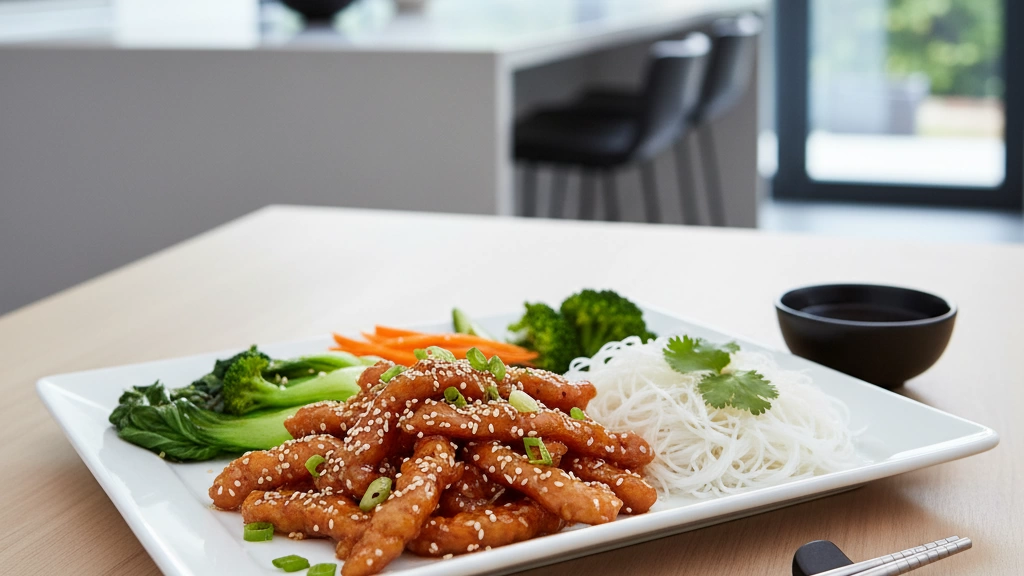
Best Rice and Noodle Sides for Beijing Beef
With a bold dish like Beijing Beef, the base needs to be simple and comforting. Here’s what I reach for most at home in the U.S.:
-
Steamed Jasmine Rice
- Classic, fluffy, and soaks up the sweet, tangy, and spicy Beijing Beef sauce perfectly.
- Ideal if you want the beef to stay the star.
-
Steamed White Rice (long grain)
- Neutral flavor, great for a “takeout-style beef recipe” feel.
- Easy to cook in bulk for family dinners or meal prep.
-
Brown Rice
- Adds nutty flavor and more fiber.
- Good if you want a slightly “healthier Beijing Beef” setup without changing the main dish.
-
Garlic Fried Rice
- Day-old rice, a little oil, garlic, scallions, soy sauce.
- Pairs great with crispy Beijing Beef when you want that true better-than-takeout Beijing Beef combo.
-
White Rice & Cauliflower Rice Mix
- Good low-carb compromise.
- Keeps the comfort of rice but lightens the meal.
For noodles, I like:
-
Chow Mein Noodles
- Classic Panda Express-style chow mein: cabbage, onions, soy-based sauce.
- Toss with sesame oil and soy, and you’ve got an easy base for Beijing Beef stir fry.
-
Lo Mein
- Slightly thicker, saucier noodles that work well with sweet and spicy beef stir fry.
- Great when you want everything in one bowl.
-
Rice Noodles (wide or thin)
- Gluten-free option if you use tamari or coconut aminos in the dish.
- Nice texture contrast with crispy beef strips.
Beijing Beef with Fried Rice or Chow Mein
If you’re used to ordering Panda Express Beijing Beef, you probably pair it with fried rice or chow mein. That combo absolutely works at home:
Beijing Beef with Fried Rice
- Use leftover rice from the day before.
- Stir-fry with:
- Eggs
- Frozen peas and carrots
- Green onions
- Soy sauce + a little sesame oil
- This gives you that full takeout-style Chinese-American dinner feel: savory rice + tangy chili beef on top.
Beijing Beef with Chow Mein
- Stir-fry:
- Soft chow mein noodles
- Shredded cabbage
- Onions
- Light soy-based sauce
- Serve homemade Beijing Beef right over the noodles so the brown sugar beef sauce coats both beef and noodles.
- This is the closest to a Panda Express copycat Beijing Beef meal at home.
Vegetable Sides That Pair Well with Beijing Beef
Beijing Beef is rich and saucy, so I balance it with light, crunchy veggies. A few side ideas:
-
Garlic Green Beans
- Quick stir-fry with garlic, a splash of soy, and a pinch of chili flakes.
- Crisp texture cuts through the sweetness of the Beijing Beef sauce.
-
Stir-Fried Bok Choy or Baby Broccoli
- Simple: garlic, oil, a little salt, maybe a touch of oyster sauce (or hoisin if you’re keeping it simple).
- Brings freshness to a sweet spicy Chinese sauce main.
-
Steamed or Roasted Broccoli
- Toss with a tiny bit of soy and sesame oil.
- Great if you’re aiming for a more healthy Beijing Beef plate.
-
Cucumber Salad
- Sliced cucumbers, rice vinegar, a bit of sugar, salt, and sesame seeds.
- Cool, tangy, and great with tangy chili beef.
-
Stir-Fried Mixed Veggies
- Bell peppers, snap peas, carrots, mushrooms.
- Light sauce (soy, garlic, ginger) to keep it from clashing with the beef.
Takeout-Style Chinese-American Dinner at Home
If you want that full Chinese-American beef dish experience without the drive-thru, build a small “takeout box” lineup at home:
Core Plate:
- Beijing Beef (crispy beef, bell peppers, onions)
- One carb:
- Fried rice
- Chow mein
- Steamed white or brown rice
Veggie Add-Ons:
- Garlic green beans or broccoli
- Simple stir-fried mixed veggies
Optional Extras:
- Frozen egg rolls or spring rolls baked in the oven
- Store-bought potstickers (pan-fried)
- A quick hot-and-sour or egg drop soup (if you like a soup starter)
For U.S. home cooks, I’d keep it simple:
- Weeknight:
- Beijing Beef + microwave jasmine rice + steamed broccoli
- Weekend “fakeout takeout”:
- Beijing Beef + homemade fried rice + chow mein + one veggie side
This way you get that homemade Chinese takeout vibe, with full control over ingredients, portion sizes, and how sweet or spicy you want your Beijing Beef copycat recipe to be.
Beijing Beef Nutrition
Estimated calories and macros per serving
For a typical homemade Beijing Beef recipe (about 1 cup / 6–7 oz serving, including sauce and veggies), here’s a realistic ballpark:
- Calories: 450–550
- Protein: 20–25 g
- Carbs: 45–55 g
- Fat: 20–28 g
- Sugar: 18–25 g
- Sodium: 900–1,400 mg
If you go heavy on batter, deep-frying, and sweet Beijing Beef sauce, you’ll sit on the higher end of those ranges. If you air fry, use less oil, and pull back the sugar, you’ll land on the lower end.
How to lighten up Beijing Beef
I design my Beijing Beef recipes so you can tweak them fast without losing that crispy, sweet-spicy vibe:
Cut back calories and fat:
- Air-fry or shallow-fry instead of deep-frying.
- Use a thinner cornstarch coating instead of a thick batter.
- Drain beef on a wire rack, not just paper towels.
- Add more bell peppers and onions to bulk up the meal without more meat.
Lower the sugar but keep flavor:
- Cut brown sugar in the Beijing Beef sauce by 30–50%.
- Add more rice vinegar and a bit of fresh orange or lime juice to keep it tangy.
- Swap some sugar for a zero-cal sweetener (like allulose or monk fruit) if that’s your thing.
Boost protein and fiber:
- Use leaner beef cuts (top sirloin, eye of round, sirloin tip).
- Serve with brown rice, quinoa, or cauliflower rice for more fiber and fewer empty carbs.
- Add extra veggies: broccoli, snap peas, carrots, or cabbage.
Lower sodium and sugar swaps
You don’t need to drown Beijing Beef in salt and sugar to get that Panda Express Beijing Beef style flavor.
Lower sodium ideas:
- Use low-sodium soy sauce or tamari as your base.
- Mix in water or unsalted stock to stretch the sauce without more salt.
- Skip extra salt in the beef marinade if you’re already using soy sauce.
- Add flavor with garlic, ginger, chili flakes, and black pepper instead of more soy.
Lower sugar ideas:
- Reduce brown sugar and lean on:
- Hoisin (but measure, it has sugar)
- Tomato paste or ketchup (much less than a full sweet-and-sour base)
- Rice vinegar for brightness
- If needed, finish with a tiny drizzle of honey or maple instead of loading sugar into the pan early.
Portion control tips for Beijing Beef lovers
Beijing Beef is rich, so I treat it like a highlight, not the whole plate.
Dial in portions without feeling deprived:
- Aim for 3–4 oz cooked beef per person (about the size of a deck of cards).
- Fill half your plate with veggies, a quarter with Beijing Beef, and a quarter with rice or noodles.
- Serve Beijing Beef over a smaller bed of rice and more peppers/onions so your bowl still feels full.
- If you’re watching calories, skip second helpings of beef and go back for more veggies instead.
Simple structure I use:
- Weeknight dinner:
- 1 serving crispy Beijing Beef strips
- 1 cup stir-fried veggies
- 1/2–3/4 cup rice or noodles
This way, you still get that “better than takeout Beijing Beef” experience, just without wrecking your daily calories or sodium in one meal.
Common Beijing Beef Mistakes
Let me walk through the biggest Beijing Beef mistakes I see all the time, and how I fix them in my own kitchen.
Beef turning tough or chewy
If your crispy Beijing Beef bites are hard to chew, it’s almost always about the cut, the slice, or the heat.
What goes wrong:
- Using the wrong cut (stew meat, round, super lean cuts)
- Slicing with the grain instead of against it
- Skipping velveting (cornstarch + baking soda or cornstarch + egg white)
- Overcooking the beef in the oil or the wok
How I keep the beef tender:
- Use the right cut: flank steak, flap, sirloin, or ribeye (trimmed)
- Slice thin: about 1/4 inch thick, against the grain
- Velvet the beef: quick marinade with soy sauce, a little baking soda, cornstarch, and oil
- Cook fast and hot: fry until just golden and crisp, then pull it; don’t boil it in the sauce
Batter falling off the beef
If the batter slides off, you’re either too wet, too cold, or too crowded.
Common issues:
- Beef too wet (not patted dry)
- Batter too thin or too thick
- Dropping battered beef into oil that’s too cool
- Moving the beef too much at the start of frying
- Overcrowding the pan or wok
How I keep the coating on:
- Pat beef very dry with paper towels before coating
- Toss in a dry cornstarch or cornstarch + flour mix first for grip
- Use 350–375°F oil (use a thermometer if you can)
- After dropping in the beef, leave it alone for 30–45 seconds before stirring
- Fry in small batches so the oil temp doesn’t crash
Sauce too watery or too thick
Beijing Beef sauce should be glossy, clingy, and coat every crispy strip—never soupy, never like paste.
What makes the sauce watery:
- Not enough cornstarch in the slurry
- Not bringing the sauce to a full simmer to activate the cornstarch
- Too much water or broth
What makes it too thick or gloopy:
- Too much cornstarch
- Simmering too long and reducing it down too far
- Not enough liquid (soy, vinegar, water, etc.)
My fix for the perfect Beijing Beef sauce:
- Mix the sauce base first: soy sauce, hoisin, ketchup, rice vinegar, sugar/brown sugar, chili sauce
- Thicken with a small cornstarch slurry (1–2 teaspoons at a time)
- Bring to a strong simmer and stir until it turns glossy and clings to a spoon
- Too thick? Add 1–2 tablespoons water at a time
- Too thin? Add a bit more cornstarch slurry, simmer again
Beef not staying crispy in the sauce
This is the classic Beijing Beef headache: you nail the crispy beef, then it turns soggy the second it hits the pan sauce.
Why the crunch disappears:
- Tossing beef in the sauce too early
- Letting beef sit in the sauce on low heat
- Sauce too thin or too much sauce
- Not double-frying the beef
How I keep my Beijing Beef crispy:
- Double fry the beef:
- First fry: cook through, light golden
- Second fry: quick, hotter, to lock in the crunch
- Thicken the sauce first in the wok or pan (no beef yet)
- Add bell peppers and onions, stir-fry, then cut the heat
- Toss the crispy beef in the sauce right before serving (30–60 seconds max)
- Don’t drown the beef—just enough sauce to coat, not to pool at the bottom
If you avoid these four mistakes—tough beef, falling batter, runny or gummy sauce, and soggy coating—you’re already ahead of most takeout spots. This is how I get that “better-than-Panda-Express Beijing Beef” texture at home, every time.
Beijing Beef Cooking FAQs

Can I make Beijing Beef without deep frying?
Yes, you can get solid “crispy enough” Beijing Beef without deep frying:
-
Shallow fry:
- Use a wide pan with ¼ inch of oil.
- Fry battered beef in batches, medium-high heat, flipping once.
- Drain on a rack or paper towels to keep it crisp.
-
Air fryer Beijing Beef:
- Lightly oil the basket and the coated beef strips.
- Air fry at 390–400°F for 8–12 minutes, shaking halfway.
- Toss quickly in hot Beijing Beef sauce so the coating doesn’t soften too much.
-
Pan-seared (no batter) option:
- Skip the batter and just velvet the beef (cornstarch + quick marinade).
- Sear over high heat in a hot skillet or wok with a thin layer of oil.
- This gives you a lighter, healthier Beijing Beef that still has great flavor, just not that Panda Express-level crunch.
Can I use frozen beef for Beijing Beef?
You can, but you’ll get better texture if you handle it right:
- Fully thaw first in the fridge overnight (best) or in a sealed bag in cold water.
- Slice the beef while it’s still slightly firm—easier to get thin, even strips.
- Pat very dry with paper towels before marinating or coating so:
- The cornstarch/batter sticks.
- The oil doesn’t splatter like crazy.
- Avoid using beef that was previously frozen, thawed, and refrozen—this usually turns out chewy.
How to make Beijing Beef for a crowd
For game days, parties, or family dinners, I treat Beijing Beef like a “build-your-own takeout bar”:
-
Batch prep:
- Slice and velvet all the beef earlier in the day.
- Pre-mix the Beijing Beef sauce and keep it chilled.
- Pre-slice bell peppers, onions, and aromatics.
-
Cook in stages:
- Fry all the beef strips first; keep them on a wire rack in a warm oven (200°F) so they stay crisp.
- Stir-fry veggies in big batches in a wok or large skillet.
- Right before serving, re-crisp beef in a hot pan or air fryer, then toss quickly with hot sauce and veggies.
-
Scaling the recipe:
- For 8–10 people, plan on:
- 2.5–3 lb beef
- 2–3 bell peppers
- 1–2 large onions
- Double or triple the Beijing Beef sauce, but taste as you go—sweetness and heat can stack quickly.
- For 8–10 people, plan on:
-
Serving setup:
- Serve Beijing Beef over steamed rice, fried rice, or chow mein in warm serving dishes.
- Keep sauce and extra red pepper flakes on the side so people can tweak sweetness and spice themselves.
Storing and reheating Beijing Beef leftovers
The beef won’t be as crispy the next day, but you can still get solid leftovers if you store it right:
-
How to store:
- Cool completely before packing.
- Store in an airtight container in the fridge for up to 3–4 days.
- For best texture, store beef and sauce/veggies separately if you can:
- Container 1: fried beef strips
- Container 2: sauce + peppers + onions
-
Reheating methods:
- Air fryer (best for crisp):
- Heat beef at 370–380°F for 4–6 minutes until hot and crisp.
- Warm sauce/veggies separately in a pan or microwave, then toss together.
- Oven:
- Spread beef on a baking sheet and reheat at 375°F for 8–10 minutes.
- Reheat sauce and veggies on the stovetop.
- Microwave (fast, not crispy):
- Works fine for quick lunches, just expect softer beef.
- Reheat in short bursts and stir so the sauce doesn’t break.
- Air fryer (best for crisp):
-
Freezing Beijing Beef:
- Freeze for up to 2 months in freezer bags or containers.
- Again, best if beef and sauce are frozen separately.
- Reheat from thawed for better texture, then hit the beef in a hot pan or air fryer to bring some crisp back.
Handled this way, homemade Beijing Beef stays “better than takeout” even as meal prep for busy weeknights.
Beijing Beef and Chinese-American Food Culture
Is Beijing Beef actually from Beijing?
No—Beijing Beef is not an authentic Beijing dish. It’s a Chinese-American creation, made popular by Panda Express Beijing Beef in the U.S.
The name “Beijing” mainly sells the idea of bold, Chinese-style flavor. In real Beijing cooking, you’ll see more dishes like:
- Zhajiangmian (noodles with fermented soybean paste)
- Stir-fried beef with scallions
- Cumin beef or lamb from Northern Chinese influence
Beijing Beef, as we know it here, is American takeout food inspired by Chinese flavors, not a recipe directly brought over from Beijing.
How Beijing Beef fits into Chinese-American cuisine
Beijing Beef fits right into the Chinese-American sweet-and-spicy, crispy, saucy lane, just like:
- Orange chicken
- General Tso’s chicken
- Mongolian beef
It checks all the boxes U.S. diners look for:
- Crispy beef strips instead of traditional quick stir-fry slices
- A sweet, tangy, and spicy sauce that hits familiar notes (ketchup, sugar, vinegar, chili)
- Simple, colorful veggies like bell peppers and onions
- Built to go perfectly over white rice, fried rice, or chow mein
In my view, Beijing Beef is a great example of how Chinese flavors got adapted to U.S. tastes—bigger flavor, more sauce, more crunch, easy to order, easy to reheat. It’s Chinese-inspired, but very clearly Chinese-American comfort food.
Similar dishes to try if you love Beijing Beef
If you’re into crispy Beijing Beef and want more takeout-style beef recipes in your rotation, these dishes hit a similar vibe:
- General Tso’s Chicken – Same sweet, tangy, spicy profile, but with chicken instead of beef.
- Orange Beef – Crispy beef with a bright orange sauce; very close to Beijing Beef but more citrus-forward.
- Mongolian Beef – Not usually crispy, but a sweet-savory brown sauce with green onions; great if you like Beijing Beef sauce but want something less tangy.
- Sichuan-style spicy beef stir fry – If you enjoy heat, look for dishes with chili oil, dried chiles, and Sichuan peppercorns.
- Crispy chili beef – Popular in Chinese takeout menus, with thin fried beef strips in a sweet spicy Chinese sauce similar to Beijing Beef.
At home, you can rotate:
- Beijing Beef stir fry one night
- Hoisin beef stir fry another
- A sweet and spicy beef stir fry with whatever veggies you have on hand
All of these scratch the same itch: better-than-takeout Beijing Beef vibes with that sweet, tangy, spicy, crispy combo U.S. customers love.