

Explore Beijing Culture A Complete Travel Guide to History Arts and Cuisine
If you’re curious about Beijing culture, you’re tapping into a story that’s more than three millennia old—a living tapestry where ancient dynasties and modern energy collide. From the whispering courtyards of hutongs to the vibrant pulse of the 798 Art District, Beijing offers a cultural journey that’s vivid, layered, and endlessly surprising. In this guide, you’ll discover how history shapes art, cuisine, and everyday life here, setting the stage for an immersive experience that goes beyond typical sightseeing. Ready to explore Beijing’s soul? Let’s dive in.
Historical Foundations of Beijing Culture
Beijing’s cultural tapestry is deeply woven through its role as the capital city for five major dynasties: the Liao, Jin, Yuan, Ming, and Qing. Each era shaped the city’s identity in unique ways, contributing layers of history, architecture, and tradition that still define Beijing today.
- Liao and Jin Dynasties: Early capitals marking the city’s rise as a political center in northern China.
- Yuan Dynasty (1271–1368): Under Kublai Khan, Beijing—then called Dadu—became the imperial seat of the Mongol Empire. This era laid the groundwork for the city’s grand urban design and cosmopolitan culture.
- Ming and Qing Dynasties: Beijing reached its cultural zenith. The iconic Forbidden City was constructed as the imperial palace, symbolizing supreme authority with its precise layout and Taoist principles. Alongside it, the Temple of Heaven was built as the sacred site where emperors performed vital rituals to ensure good harvests.
- 20th Century Transitions: Beijing witnessed dramatic political shifts—from the fall of the Qing and the Republic era to the founding of the People’s Republic of China in 1949—marked by the historic proclamation at Tiananmen Square. These events transformed Beijing from an imperial seat into a modern political capital.
This historic evolution established Beijing not only as a city of power but also as a living museum of Chinese civilization, where ancient traditions and revolutionary change coexist seamlessly.
Architectural Icons of Beijing
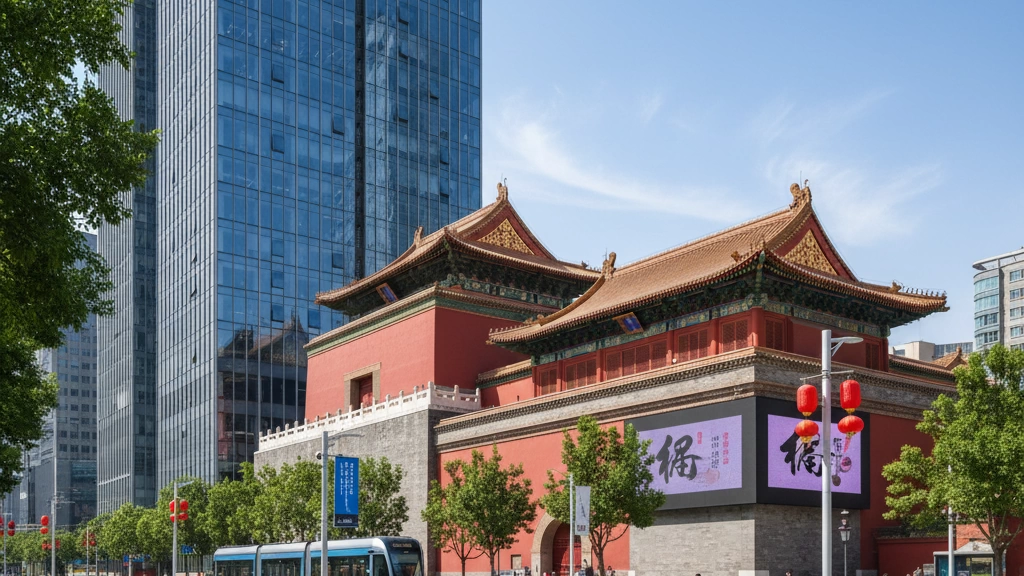
Forbidden City
The Forbidden City is a masterpiece of traditional Chinese architecture with its carefully planned layout symbolizing imperial power and cosmic order. As a UNESCO World Heritage site, its vast red walls, golden roofs, and intricate halls narrate centuries of history. When visiting, start early to avoid crowds and bring comfortable shoes—you’ll walk a lot. Don’t miss the Meridian Gate and the Hall of Supreme Harmony, where emperors once ruled.
Temple of Heaven
Known for its perfect acoustics, the Temple of Heaven was where emperors performed important rituals to ensure good harvests. Its circular design and wooden pillars follow strict symbolic rules reflecting harmony between heaven and earth. Visit during weekdays or early mornings to dodge crowds. The complex’s ritual calendar, especially during the Winter Solstice, highlights the rich spiritual traditions preserved here.
Great Wall at Mutianyu
Mutianyu offers one of the best-preserved and least crowded sections of the Great Wall. Built as an engineering wonder, it snakes over rugged hills with watchtowers standing guard. For photographers, autumn brings vibrant leaves that contrast with the stone wall, making for stunning shots. Cable cars and a toboggan descent make reaching and exploring the wall easier and more fun for visitors.
Summer Palace
The Summer Palace is a royal garden filled with symbolism. Kunming Lake represents peacefulness and longevity, while the Marble Boat, an ornate pavilion floating on the water, oddly symbolizes stability despite its fragile construction. Strolling the long corridors and pagodas, visitors can soak in imperial leisure culture combined with natural beauty.
Hutongs & Siheyuan
Beijing’s hutongs are narrow alleys lined with traditional siheyuan—courtyard homes that reflect old Beijing life. Nanluoguxiang is the most popular hutong, bustling with shops and cafes, perfect for a lively urban vibe. For a quieter experience, explore lesser-known alleys nearby where life moves at a gentler pace, revealing authentic local culture and peaceful courtyard settings.
For a comprehensive guide to Beijing’s top attractions and itinerary tips, consider this detailed Beijing travel guide.
Traditional Arts & Performances
Beijing’s cultural scene thrives through its traditional arts, giving visitors a deep dive into timeless Chinese heritage.
Peking Opera
One of Beijing’s iconic performing arts, Peking Opera, is known for its bold face painting, where colors and patterns reveal characters’ traits—red signifies loyalty, black means integrity, and white suggests treachery. The performances blend singing (arias), dialogue, acrobatics, and dance. Catch authentic shows at the Liyuan Theatre, a small venue offering an intimate experience with English subtitles, perfect for first-timers.
Chinese Calligraphy & Painting
In Liulichang, Beijing’s famous cultural street, you can witness master calligraphers demonstrating ink-wash painting and brush calligraphy techniques. These workshops often encourage visitors to try their hand at this delicate art, an excellent way to understand the patience and skill behind each stroke.
Tea Ceremony
Beijing’s tea culture is rich, with two main styles: Jiancha (tea tasting) focusing on appreciating tea flavor and Gongfu cha emphasizing the ritual and precise brewing steps. For an authentic experience, visit recommended teahouses that offer both styles and a quiet break from the city bustle.
Festival Calendar
Beijing’s traditional festivals add vibrant layers to the cultural landscape. During Lunar New Year, temple fairs burst with folk performances, crafts, and local snacks. The Mid-Autumn Festival centers around sharing mooncakes under full moons, a ritual symbolizing reunion and gratitude.
Whether you’re drawn by opera, art, tea, or festivity, these traditional elements offer a genuine taste of Beijing culture.
Culinary Culture in Beijing
Beijing’s culinary scene is a vibrant mix of imperial tradition and street-level flavors. At the top of the list is Peking Duck, a dish with centuries-old roots. The debate between Quanjude and Da Dong restaurants is a classic—Quanjude is famous for its traditional roasting method and historic atmosphere, while Da Dong offers a leaner, modern twist. To enjoy Peking Duck without a wait, booking well in advance is essential, especially during peak dining hours.
Beyond duck, Imperial Court Cuisine brings a taste of the emperor’s table with rare delicacies like bird’s nest soup and braised abalone. Many upscale Beijing restaurants still serve these luxurious dishes, offering a glimpse into the city’s rich culinary past.
For more casual eats, the street food markets of Wangfujing and Donghuamen are hotspots. Here, you can sample everything from scorpion skewers to warm jianbing (savory crepes). When trying street food, look for vendors with visible hygiene practices to stay safe and enjoy the best flavors.
If you want a more intimate, authentic meal, many travelers explore Hutong home-cooked meals. These exclusive family dining experiences are often booked through China Travel operators and let you savor handmade dishes in a traditional courtyard setting, giving you direct insight into everyday Beijing food culture.
For a scenic escape after your food adventures, consider pairing your visit with a trip to Mount Shenglian nearby, as detailed in this Beijing travel guide, where local flavors and nature blend beautifully.
Modern Beijing
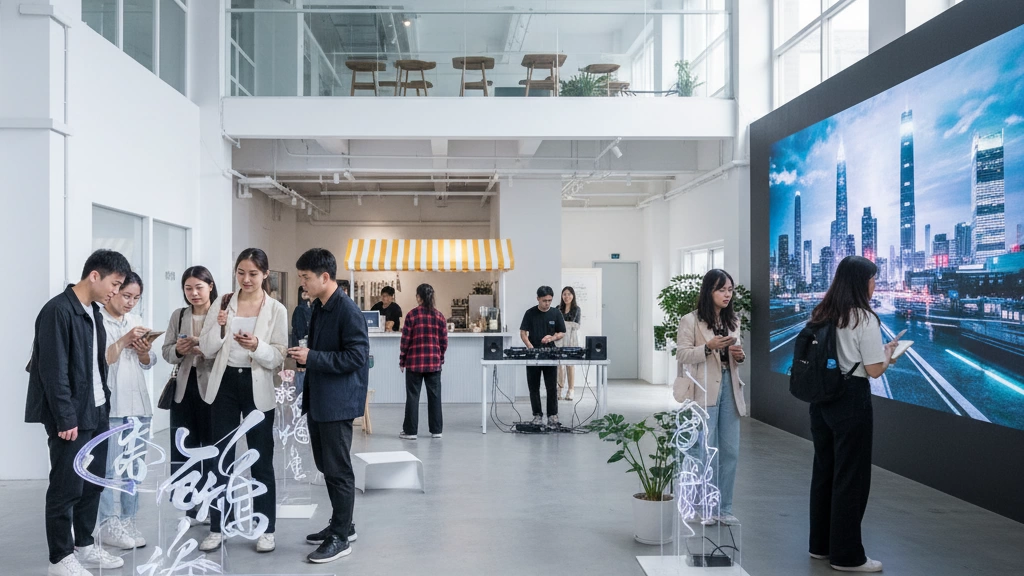
Beijing’s modern culture pulses through its vibrant neighborhoods and cutting-edge art scenes. The 798 Art District stands out as a hotspot—a former factory zone now transformed into galleries showcasing contemporary Chinese art, eclectic street murals, and trendy cafés where you can relax after exploring. It’s a perfect place to see how Beijing blends history with modern creativity.
In contrast, Sanlitun and the Central Business District (CBD) offer a sleek urban vibe. Here, craft cocktail bars incorporate Chinese botanicals, giving a unique twist to classic drinks, all while you enjoy impressive skyline views. This area is great for experiencing Beijing’s after-hours energy and upscale dining.
Tech-savvy travelers can dive into the future of Beijing’s heritage with Intangible Cultural Heritage 2.0 projects. Virtual Reality tours of the Forbidden City bring ancient palaces to life in immersive ways, while digital hutong tours let you explore traditional alleyways from your device. These modern approaches make Beijing culture accessible wherever you are, blending past and future seamlessly.
Experiencing Beijing Culture Firsthand
3-Day Cultural Immersion Itinerary
-
Day 1: Historic Core
Start your journey exploring Beijing’s essential historical sites: the Forbidden City, Temple of Heaven, and Tiananmen Square. These landmarks offer a deep dive into the city’s dynastic past and political significance.
-
Day 2: Arts & Hutongs
Dedicate the second day to traditional arts and local life. Catch an authentic Peking Opera show at Liyuan Theatre, visit Liulichang for calligraphy and painting workshops, then wander through the atmospheric hutongs around Nanluoguxiang and quieter lanes for a feel of old Beijing.
-
Day 3: Modern Fusion
Experience the contemporary side of Beijing by visiting the 798 Art District’s galleries and street art, followed by a relaxing evening at Sanlitun’s craft cocktail bars with views of the modern skyline.
For a detailed plan blending these highlights, check out this five-day itinerary for visiting major attractions in Beijing.
Seasonal Recommendations
- Spring: Witness the stunning peach blossoms at the Summer Palace, a perfect backdrop for photos and peaceful walks.
- Autumn: Stroll under the golden ginkgo tree-lined avenues in the city, especially around the Temple of Heaven, when the leaves turn vibrant yellow.
Responsible Travel Tips
- Avoid crowds: Visit popular sites early in the morning or late afternoon to beat peak times.
- Temple etiquette: Dress modestly, speak softly, and follow local customs to respect spiritual places.
- Support local artisans: Buy souvenirs directly from craftspeople in hutongs or art markets to keep traditional crafts alive.
Following these tips will help you enjoy an authentic and mindful cultural experience in Beijing.