Authentic Beijing Ducks Guide Best Roast Duck Restaurants Tips
Introduction to Beijing Roast Duck: Beijing’s Signature Dish and UNESCO Treasure
When you think of Beijing, one iconic culinary experience instantly comes to mind: Beijing roast duck. Also known as Peking duck Beijing style, this dish isn’t just food—it’s a cultural icon recognized by UNESCO as an intangible cultural heritage. It’s the kind of meal that no visit to Beijing feels complete without.
Dating back over 600 years, Beijing roast duck has perfected the art of crispy skin paired with tender, juicy meat. What makes it even more special? The traditional serving style in three courses: starting with the ultra-thin, crackling skin; followed by succulent meat wraps; and finishing with a rich, flavorful duck soup.
Craving an authentic kaoya experience? Beijing roast duck delivers a unique blend of history, flavor, and craftsmanship that’s hard to match anywhere else in the world.
The Rich History of Beijing Roast Duck
Beijing roast duck, or Peking duck Beijing, dates back over 600 years to the imperial kitchens of the Yuan and Ming dynasties in the 14th and 15th centuries. Originally inspired by the Nanjing roast duck, Beijing’s chefs refined the process with two key techniques: the hung-oven method, which uses fruitwood to give a smoky flavor, and the closed-oven method for even roasting. These methods helped the dish evolve into a uniquely Beijing specialty known as kaoya.
The dish’s prestige grew over centuries, eventually becoming a symbol of the city’s culinary excellence. Beijing roast duck also played a role in diplomacy; during historic visits, notable leaders like Richard Nixon and Henry Kissinger enjoyed it, showcasing it as an iconic taste of Chinese culture. Today, its rich history adds to the authentic kaoya experience that no food lover should miss when visiting Beijing.
For more on exploring Beijing’s best, check out the comprehensive Beijing travel guide for attractions and itineraries.
What Makes Beijing Roast Duck Unique
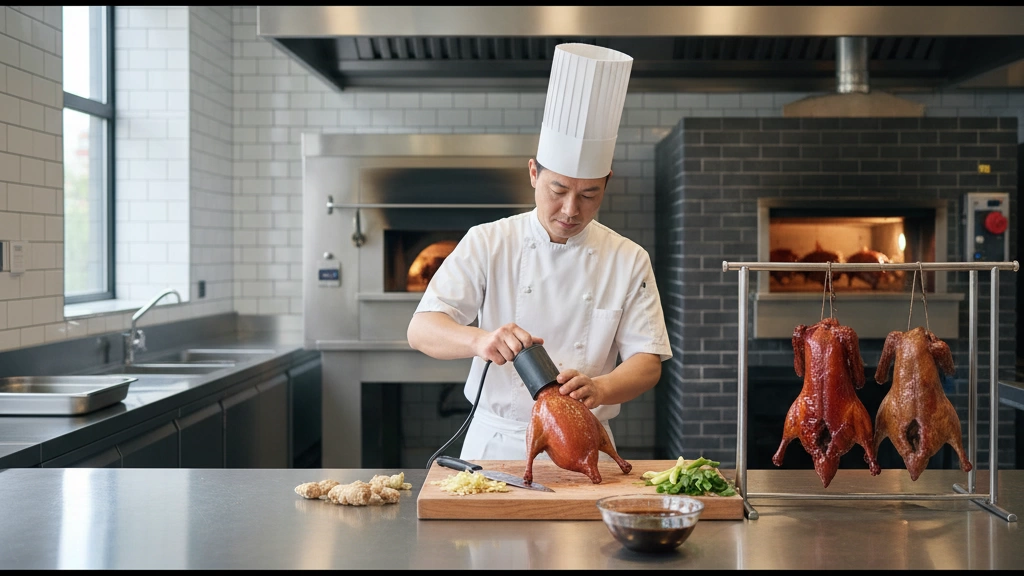
Beijing roast duck stands out thanks to the special White Beijing duck breed, which is force-fed for about 65 days. This process ensures the duck is plump but still lean, striking the perfect balance for that ideal texture.
The traditional preparation is a meticulous craft:
- Air-pumping separates the skin from the fat, helping it get ultra-crispy.
- A thin coat of maltose syrup is brushed on, giving the skin that signature glossy, caramelized finish.
- The duck is then roasted over fruitwood, which adds a subtle smoky sweetness.
There are two main roasting styles to know:
- The hung oven uses an open flame and fruitwood, which gives the skin a delightful crispy crunch and smoky notes.
- The closed oven style involves straw-fire roasting inside a sealed oven, resulting in a more evenly tender duck with a milder flavor.
On the health side, Beijing roast duck can be surprisingly nutritious. It offers a high protein punch with leaner options available. It’s often served alongside fresh vegetables, making it a balanced meal that’s both satisfying and flavorful.
Top Restaurants for the Best Beijing Roast Duck
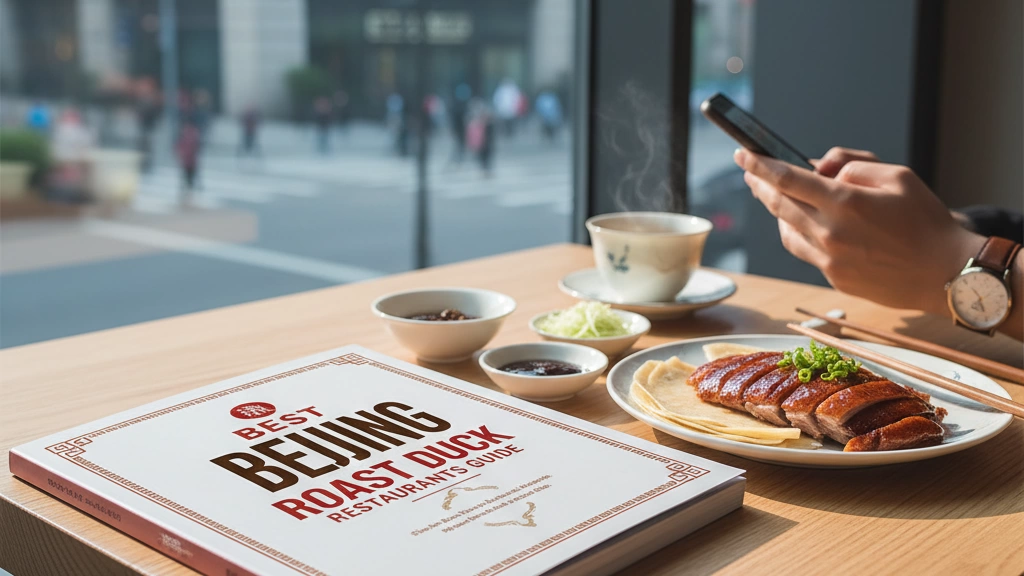
If you’re after the ultimate Beijing roast duck or Peking duck Beijing experience, these restaurants are the go-to spots offering a mix of tradition, innovation, and value.
-
Quanjude
Founded in 1864, Quanjude is the iconic classic known for pioneering the hung-oven kaoya method. Its multiple branches, like the famous Qianmen location, serve up crispy skin ducks with tableside carving that maintain authentic flavors and style.
-
Bianyifang
Dating back to 1416, Bianyifang is Quanjude’s historic rival and specializes in the closed-oven roasting technique. It’s beloved for tender meat and rich tradition passed down over centuries, offering a slightly different take on the Beijing kaoya experience.
-
Da Dong
A more modern favorite, Da Dong is famous for its lean, super-crisp duck with innovative presentations. It’s perfect if you want a lighter option without losing out on the signature crispy skin and tender meat combo.
-
Siji Minfu
Known for affordability and efficiency, Siji Minfu is a great choice off-peak—no long waits and solid quality. It’s a favorite local gem that lets you enjoy authentic Beijing roast duck without breaking the bank.
-
Jingzun
Popular among locals for value and unique pairings, Jingzun stands out by offering craft beer alongside its roast duck. Great for diners who enjoy a casual vibe with good food.
-
High-End Picks
For a more elegant affair, Duck de Chine blends fusion style with classic flavors, while Juqi offers a traditional menu with Beijing snacks to round out your meal.
Budget Tips:
- Chain branches usually charge between RMB 200-400 per duck.
- Look out for hidden spots where you can get the same quality for less than RMB 150 per person.
- Opt for half-ducks if you’re dining solo or in smaller groups to avoid waste.
These picks offer the best mix of history, innovation, and local flavor — making sure every bite is a genuine authentic kaoya experience.
How to Eat Beijing Roast Duck Like a Local
Eating Beijing roast duck the authentic way is an experience in itself. Here’s a simple step-by-step guide to enjoy the full flavor and tradition:
- Whole Duck Presentation: The duck arrives at your table whole, perfectly roasted. A skilled server will carve it tableside into over 100 thin slices, ensuring each piece has crispy skin and tender meat.
- Classic Wrapping: Take a soft pancake, spread a bit of sweet hoisin sauce, add scallions and cucumber, then place your duck slice inside. Roll it up like a wrap for that perfect bite.
- Three-Course Tradition:
- Skin-first: Dip the crispy skin in sugar or garlic paste — this highlights its crunch and subtle sweetness.
- Meat wraps: Enjoy the duck slices wrapped in pancakes with sauce and veggies.
- Bone soup finale: The leftover bones are boiled into a rich soup, completing the meal.
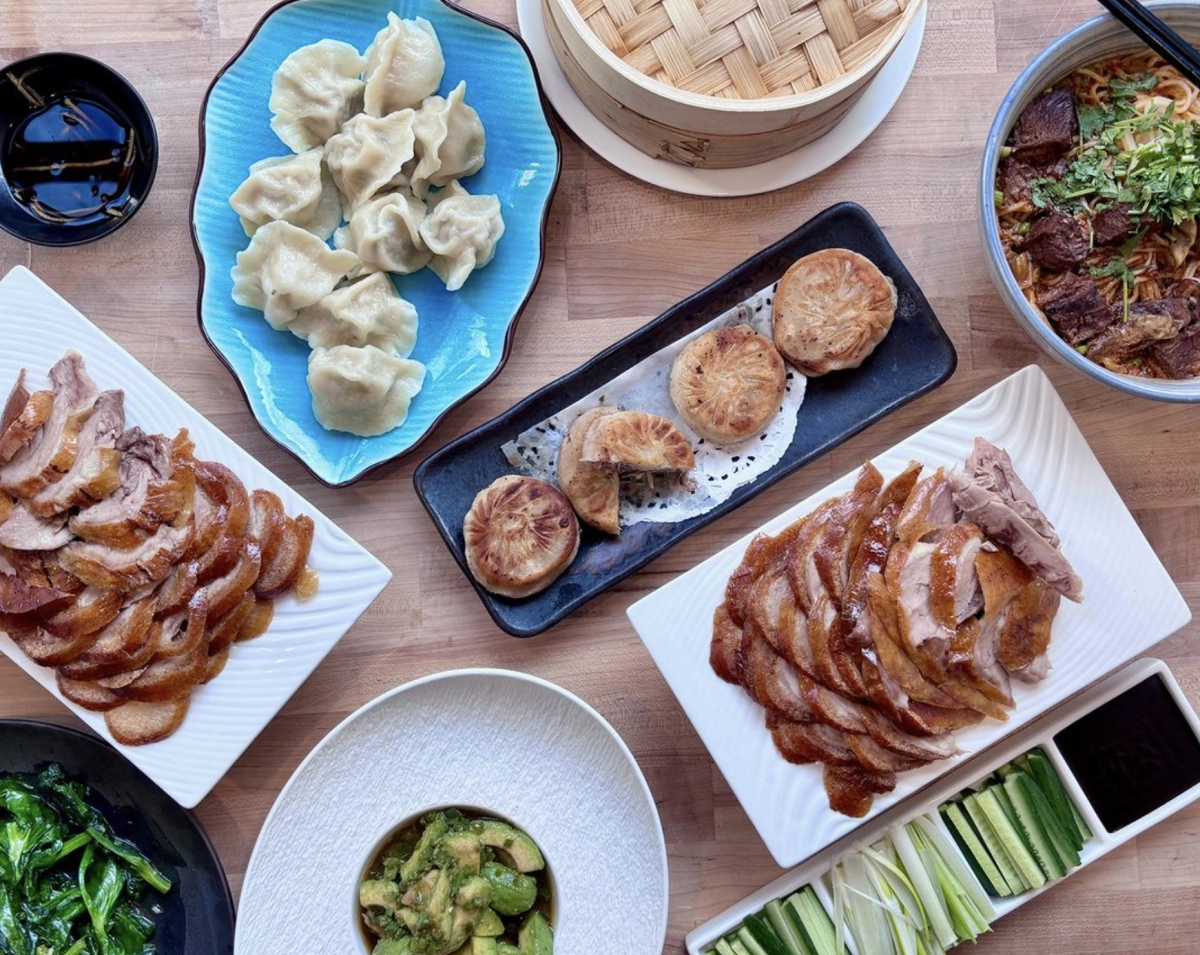
- Popular Pairings: Besides pancakes, sesame buns and stir-fried greens complement the duck nicely, balancing richness with freshness.
- Etiquette & Tips:
- If you’re dining solo, ordering a half duck lets you savor without leftovers.
- Arrive early or during off-peak hours to avoid long waits, especially in famous spots.
- Don’t rush the meal; savor each course slowly as locals do.
By following these steps, you’ll get an authentic kaoya experience that goes beyond just taste—capturing a true slice of Beijing culture at the table.
Planning Your Beijing Roast Duck Adventure with China Travel
For the best Beijing roast duck experience, evenings near Wangfujing or Qianmen are ideal. These lively neighborhoods offer a great atmosphere, combining bustling streets with traditional charm—perfect for enjoying a dinner of crispy skin duck in an authentic setting.
Whether you’re dining solo or with a group, many restaurants offer half-portion options, so you don’t have to commit to a whole duck. Apps like Dianping make it easy to book ahead and avoid long waits at popular spots.
If you’re watching your diet, leaner versions of Peking duck Beijing are available, focusing on tender meat with less fat. Some restaurants even offer vegetarian alternatives, so everyone can enjoy a taste of Beijing cuisine.
Common Mistakes to Avoid and Insider Secrets
When hunting for authentic Beijing roast duck, steer clear of tourist traps that serve overpriced, pre-sliced ducks. These spots often compromise quality and the full kaoya experience. Instead, look for places offering whole ducks carved tableside—this ensures fresh, crispy skin and tender meat.
For budget-conscious travelers, there are great options under RMB 150 per person if you skip the popular chains and seek out local favorites or off-peak branches. These spots deliver authentic flavor without breaking the bank.
If you want a taste of Beijing roast duck at home, focus on simple recipes for pancakes and hoisin sauce. Mastering these basics lets you enjoy the classic wrap even if you can’t get the perfect duck. Making the sauce from scratch—mixing hoisin with a touch of garlic and sesame—goes a long way in capturing authentic flavors.
Finally, keep sustainability in mind. Many modern farms in China now practice ethical duck raising, focusing on animal welfare and environmental impact. Choosing restaurants that source their ducks responsibly supports this positive change while you enjoy your meal.