Hangzhou Travel Guide: 5 Days 4 Nights to Explore West Lake & Local Cuisine
Hangzhou’s reputation often precedes it with the famous Chinese saying, “Above there is paradise; below there are Suzhou and Hangzhou.” Nestled amidst mountains and water, this city beautifully blends a millennium of cultural history with the vibrant energy of a modern metropolis. You may have read about the graceful West Lake in a poem, seen the mysterious Liangzhu civilization in a documentary, or been tempted by the aroma of Dongpo Pork on a food show. Now, it’s time to set foot on this land and turn those “hearsay” tales into real experiences with a 5-day, 4-night trip.
This Hangzhou Travel Guide is designed for international visitors who want to explore Hangzhou with ease. We’ve stripped away the complicated jargon and packed it with practical information: from must-see attraction opening times and ticket prices to the most convenient ways to use public transport; from essential local food recommendations to value-for-money accommodation options. We’ve even sorted out the best times to visit to avoid crowds and what clothing to pack. Just follow this guide, and you can immerse yourself in the “poetry and distant lands” of Hangzhou without the hassle of planning.
- I. In-depth Look at Core Attractions: Times, Tickets, and How to Explore
- II. Transportation Guide: Getting Around Hangzhou Is a Breeze
- III. Food Recommendations: Fall in Love with Hangzhou's "Fresh" and "Sweet" Flavors
- IV. Accommodation Recommendations: Finding the Perfect Place for Your Budget
- V. 5-Day, 4-Night Itinerary: A Perfect Blend of Hangzhou's Highlights
- VI. Travel Tips: Making Your Trip Smoother
- VII. Nearby Attractions: More to Explore Beyond Hangzhou
- VIII. FAQ: Common Questions from Foreign Visitors
I. In-depth Look at Core Attractions: Times, Tickets, and How to Explore
1. West Lake: Hangzhou’s “City Card,” Where Every Step Is a Poem
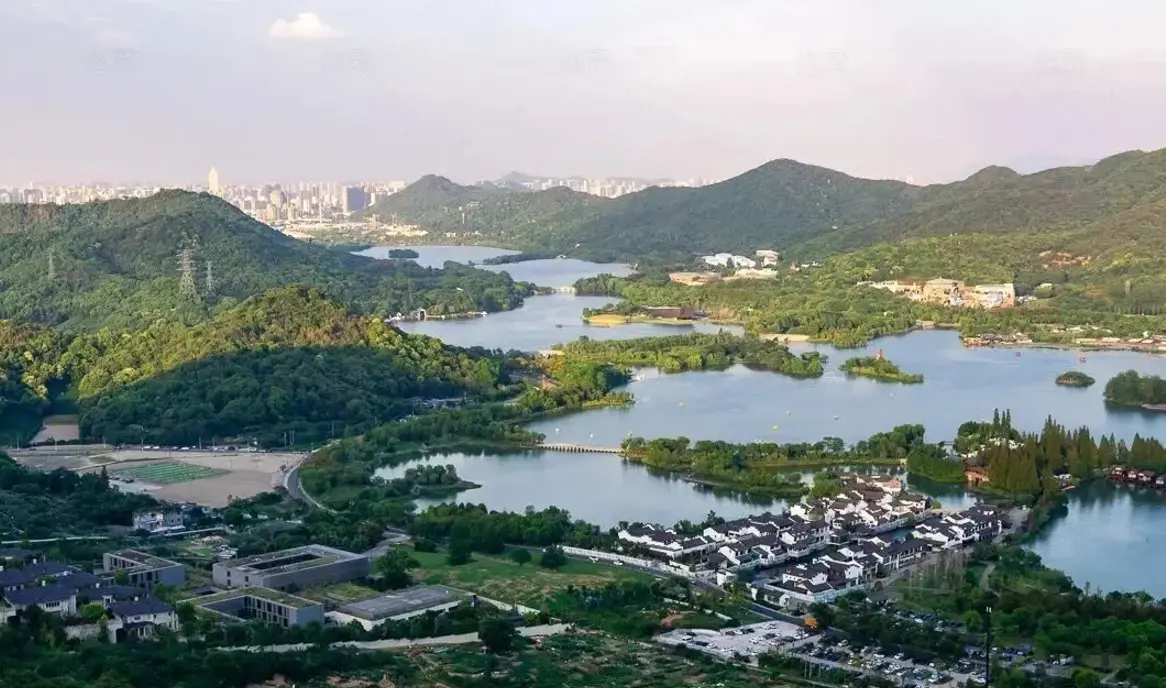
West Lake is the most unmissable place in Hangzhou. It’s not a single attraction but a massive scenic area comprising a lake, islands, causeways, and temples. The “Ten Scenes of West Lake” each have their own story, and experiencing them in person is far more meaningful than simply memorizing their names.
Basic Information
- Opening Hours: All day (for free areas); opening hours for some paid attractions vary (e.g., Three Ponds Mirroring the Moon is 8:00 AM – 5:00 PM, 4:30 PM in winter).
- Ticket Prices: The lake surface, Su Causeway, and Bai Causeway are free. Three Ponds Mirroring the Moon (the island) requires a boat trip; boat ticket + entrance is 70 yuan/person. Leifeng Pagoda is 40 yuan/person. Yue Fei Temple is 25 yuan/person.
- Recommended Visiting Time: Half a day to a full day (we suggest a full day to explore the main sights).
Must-Visit Highlights
- Three Ponds Mirroring the Moon (三潭印月): This is the icon of West Lake and the image on the back of the Chinese 1-yuan banknote. To get to the island, you must take a ferry from a lakeside pier. The island is lush with trees, and you can see three stone pagodas standing in the lake. It’s especially enchanting at night when the moon is out and the lights inside the pagodas reflect on the water.
- Su Causeway (苏堤) and Bai Causeway (白堤): These two causeways are perfect for a stroll. Su Causeway, built under the supervision of the Northern Song Dynasty poet Su Shi, is 2.8 km long and lined with willows and peach trees. The view is especially beautiful when the peach blossoms bloom in spring. Bai Causeway is shorter, about 1 km, and connects Broken Bridge to Gushan Island. Walking along it offers panoramic views of West Lake. If you don’t want to walk, you can rent a bicycle and enjoy a refreshing ride along the causeways.
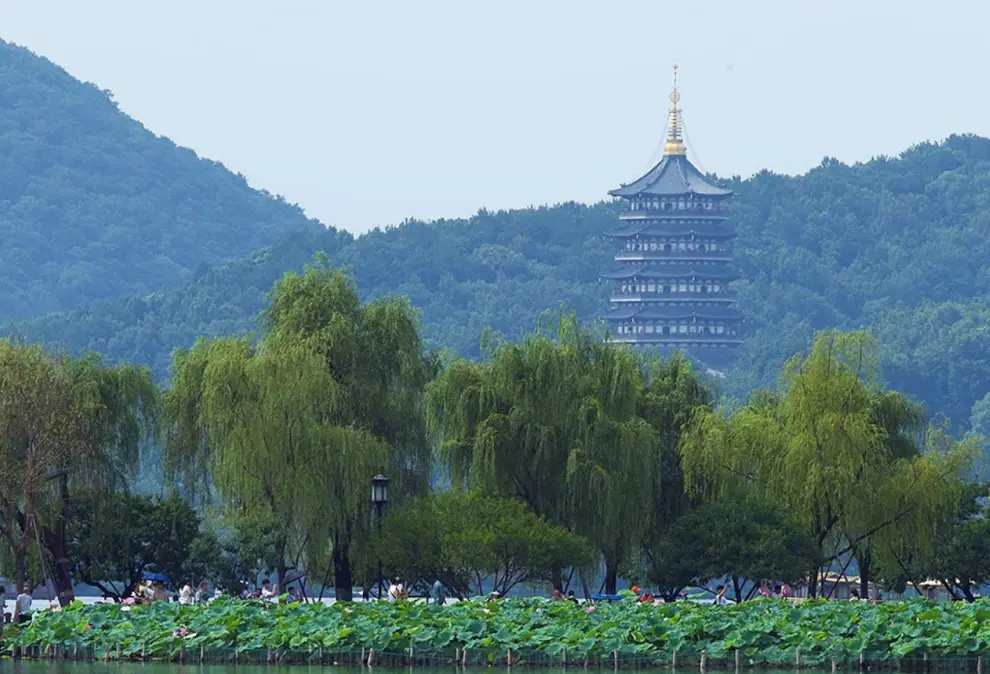
- Leifeng Pagoda (雷峰塔): Although the current pagoda is a modern reconstruction, standing on top of it gives you a breathtaking view of the entire West Lake and the city of Hangzhou. There’s an elevator inside, so you don’t have to climb the stairs. The pagoda also houses wood carvings and murals depicting the folk tale of the “Legend of the White Snake,” offering a glimpse into this famous Chinese story.
- Autumn Moon over the Peaceful Lake (平湖秋月): One of the “Ten Scenes of West Lake,” this spot is located at the western end of Bai Causeway. It’s best to visit on an autumn night when the moon shines on the tranquil lake, creating a picturesque scene. However, even during the day, it’s a great place to sit on a lakeside bench, enjoy the breeze, and take in the view.
Tips
- Avoid the peak times between 10:00 AM and 3:00 PM on weekends and public holidays, as the crowds can make it difficult to walk and take photos.
- For a different experience, consider a nighttime boat tour of West Lake.
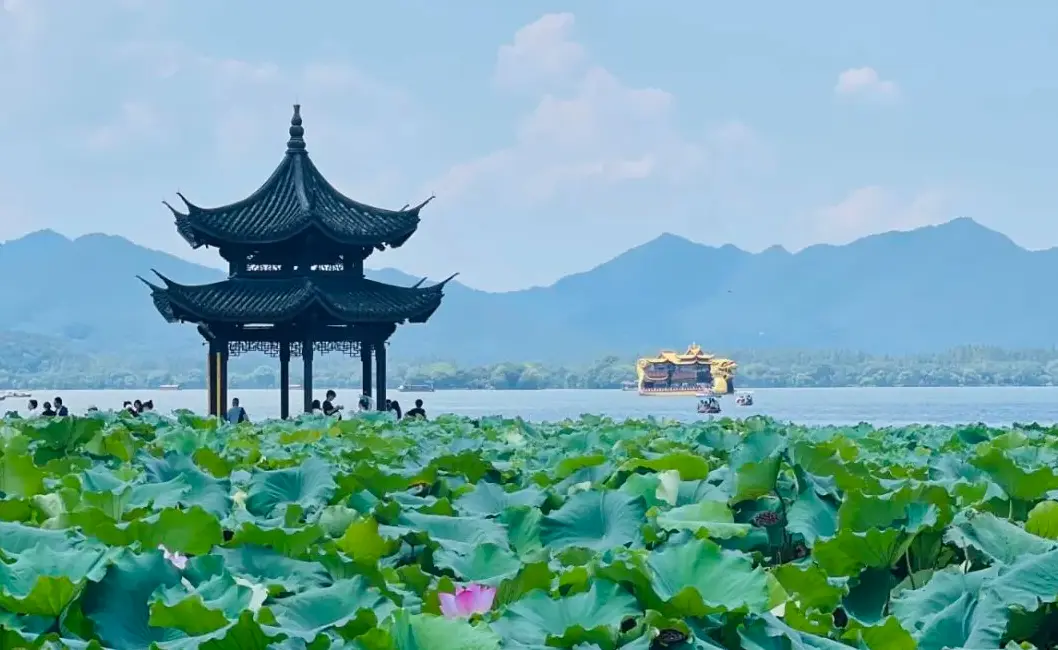
- West Lake’s lotus flowers bloom from June to August. The Lotus in the Breeze at the Crooked Courtyard (Qu Yuan Feng He) is particularly beautiful, a must-see for photographers.
2. Lingyin Temple & Feilai Peak: Finding Peace in an Ancient Temple
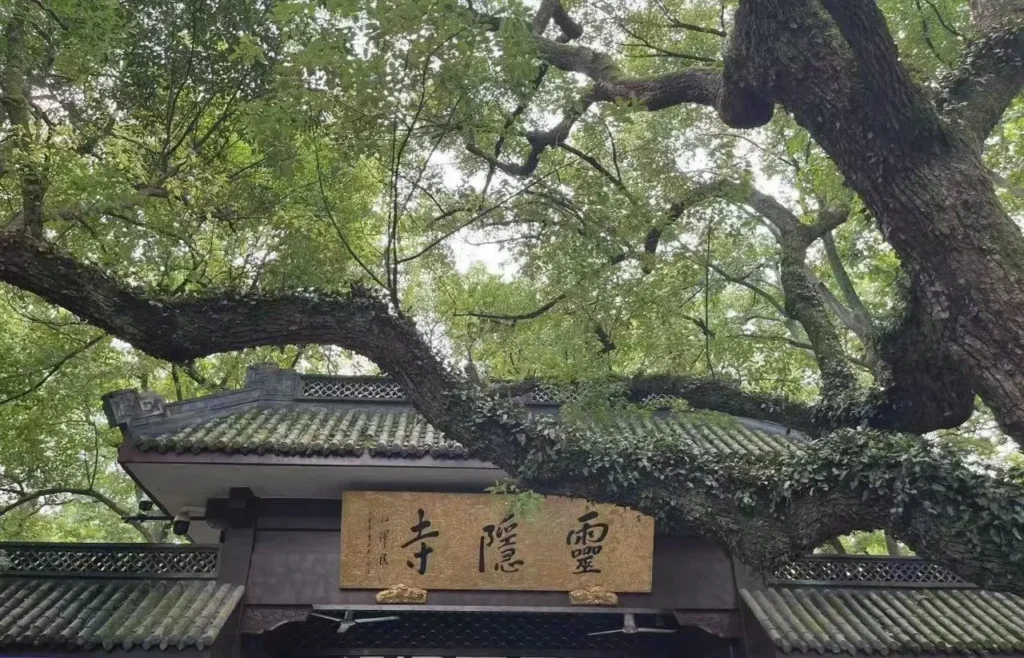
Lingyin Temple is one of China’s oldest Buddhist temples, with a history spanning over 1,600 years. Nestled at the foot of Feilai Peak, surrounded by lush mountains and ancient trees, it emanates an atmosphere of peace and serenity.
Basic Information
- Opening Hours: 7:30 AM – 5:00 PM (4:30 PM in winter).
- Ticket Prices: Feilai Peak Scenic Area is 45 yuan/person (includes Yongfu Temple and Taoguang Temple). Lingyin Temple entrance fee is 30 yuan/person (you must buy a Feilai Peak ticket first to enter Lingyin Temple).
- Recommended Visiting Time: 3-4 hours.
Must-Visit Highlights
- Feilai Peak Carvings (飞来峰造像): Upon entering the scenic area, you’ll first see Feilai Peak, which is dotted with stone carvings, some dating back to the Tang Dynasty. These lifelike carvings, with their varied expressions—some smiling, some serious—are fascinating. The most famous is a large, smiling Maitreya Buddha with a round belly, which is said to bring happiness just by looking at it.
- Lingyin Temple (灵隐寺): The temple has many grand halls. The statue of Gautama Buddha in the Great Hall is immense and surrounded by many statues of Bodhisattvas. The temple is very popular, and many people come to pray for blessings. Three incense sticks are provided for free at the entrance, so you don’t need to bring your own. You can also try “Xifu Water,” a free, sweet tea that is said to bring good fortune.
- Yongfu Temple (永福寺): Located next to Lingyin Temple, this one is much quieter. It’s surrounded by vast bamboo forests and tea plantations. There’s also an observation deck at the top that offers a panoramic view of West Lake. If Lingyin Temple is too crowded, a visit to Yongfu Temple is a wonderful way to experience the blend of nature and Zen.
Tips
- Wear comfortable shoes, as there are many steps and mountain paths in the scenic area.
- Go early in the morning. Not only will there be fewer people, but you can also witness the monks’ morning chanting, which offers a deeper cultural experience.
- There are vegetarian restaurants in the scenic area. The food is delicious and reasonably priced.
3. Liangzhu Museum & National Archives of Publications and Culture: A Journey Through a Millennia of Civilization
For a deeper dive into Hangzhou’s ancient history, a visit to the Liangzhu Museum and the National Archives of Publications and Culture is a must. The Liangzhu civilization dates back more than 5,000 years and is one of China’s earliest civilizations. The National Archives houses a collection of valuable cultural texts, and the building itself is a work of art.
Liangzhu Museum
- Opening Hours: 9:00 AM – 5:00 PM (entry closes at 4:30 PM, closed on Mondays, except for national holidays).
- Ticket Prices: Free (pre-booking required via the official WeChat account “Liangzhu Museum”).
- Recommended Visiting Time: 2-3 hours.
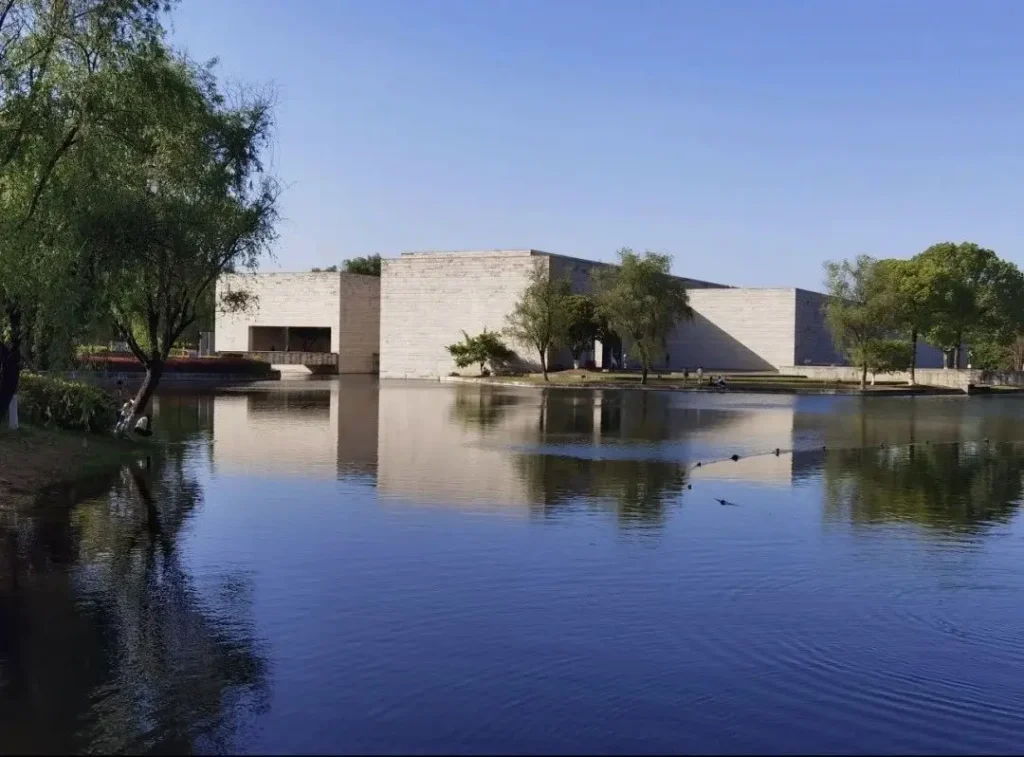
- The museum’s architecture is striking, appearing to float on a body of water. The exhibits detail the history of the Liangzhu civilization, showcasing unearthed artifacts. The most impressive part is the display on the dam system built by the Liangzhu people, which was the largest in the world at the time and a testament to their intelligence. The museum also features an AI-recreated scene of the ancient Liangzhu city.
National Archives of Publications and Culture (Hangzhou Branch)
- Opening Hours: 9:00 AM – 5:00 PM (entry closes at 4:30 PM, closed on Mondays, except for national holidays).
- Ticket Prices: Free (pre-booking required via the official WeChat account “China National Archives of Publications and Culture”).
- Recommended Visiting Time: 2 hours.
- The architecture of the National Archives is inspired by traditional Chinese landscape paintings, with “qinglu” (shades of green) as its main color. Inside, it houses various editions of books, manuscripts, and seals, showcasing the inheritance and development of Chinese culture. The Song Dynasty Aesthetics exhibition is particularly noteworthy, displaying calligraphy, paintings, and porcelain from that era.
Tips
- These two attractions are close to each other, so you can visit them on the same day.
- You can rent a free audio guide or join a volunteer-led tour at the museum to better understand the exhibits.
- The Liangzhu area is quite large, so bring sunscreen, water, and a hat or umbrella, especially in the summer.
4. Qiantang River & Zhejiang University Zhijiang Campus: A Clash of Nature and Culture
The Qiantang River is Zhejiang’s largest river, famous for its magnificent tidal bore. Even when the tide isn’t rushing in, the river offers a spectacular view. The nearby Zhejiang University Zhijiang Campus is a century-old campus with elegant, historical buildings, often called one of the “most beautiful campuses” in China.
Basic Information
- Opening Hours: Qiantang River is open all day (free). Zhejiang University Zhijiang Campus requires pre-booking via the official WeChat account “Zhejiang University” and is open from 8:30 AM to 5:00 PM (weekends and holidays; closed on weekdays).
- Ticket Prices: Both are free.
- Recommended Visiting Time: 2-3 hours.
Must-Visit Highlights
- Qiantang River View: You can walk along the river’s boardwalk and watch the mighty river flow east. The view is especially beautiful in the evening when the setting sun reflects on the water, creating what is known as the “blue hour” of the Qiantang River.
- Zhejiang University Zhijiang Campus: The campus is home to many century-old buildings. These buildings are a unique blend of Western styles, like Roman arches and Gothic spires, with traditional Chinese features like flying eaves and intricate carvings. The campus is also full of ancient trees and has a beautiful “Lover’s Lake,” creating a serene and academic atmosphere.
Tips
- The Qiantang River Tidal Bore is most spectacular around the 18th day of the eighth month of the lunar calendar. Check the schedule in advance if you want to see it.
- To enter the Zhejiang University Zhijiang Campus, you need to bring your ID card and ensure the information you provide during the booking process is correct.
- The campus buildings are old, and some areas are not open to the public. Do not enter restricted areas.
II. Transportation Guide: Getting Around Hangzhou Is a Breeze
Hangzhou’s transportation system is very convenient, with buses, subways, taxis, and shared bikes. Getting to attractions or restaurants is a cinch.
1. Arriving in Hangzhou
- By Plane: Hangzhou Xiaoshan International Airport (HGH) is the main airport. You can take Metro Line 1 (Airport Express) for about 50 minutes, an airport shuttle bus, or a taxi.
- By Train: Hangzhou has several train stations, with Hangzhou East Station and Hangzhou Station being the main ones. Hangzhou East Station is a high-speed rail hub, well-connected to the city center by Metro Lines 1, 4, and 6. Hangzhou Station is in the city center, not far from West Lake, and can be reached by Metro Line 1.
2. Getting Around the City
- Metro: Hangzhou has over 10 metro lines, covering most major attractions and business districts. You can pay with your phone or buy a physical ticket.
- Bus: There are many bus routes that go to all the attractions. You can pay with your phone, and the fare is typically 2 yuan.
- Taxi/Ride-sharing: Taxis have a starting fare of 13 yuan. Ride-sharing apps like Didi are slightly cheaper and more convenient to book.
- Shared Bikes: There are many shared bike services like Hello and Meituan in Hangzhou. They are great for short distances and cost 1-2 yuan for 30 minutes.
III. Food Recommendations: Fall in Love with Hangzhou’s “Fresh” and “Sweet” Flavors
Hangzhou cuisine is part of the Zhejiang culinary tradition, known for its light flavors, fresh ingredients, and a hint of sweetness that is never overpowering. When in Hangzhou, you must try these local specialties.
1. Must-Try Signature Dishes
- Dongpo Pork (东坡肉): This braised pork belly is incredibly tender and melts in your mouth. The flavor is a perfect balance of savory and sweet, and it’s not greasy.
- West Lake Vinegar Fish (西湖醋鱼): Another famous Hangzhou dish. It uses grass carp from West Lake, which is steamed until tender and then topped with a sweet and sour sauce.
- Stir-fried Shrimp with Longjing Tea (龙井虾仁): This dish combines fresh shrimp with Hangzhou’s famous Longjing tea leaves. The delicate fragrance of the tea and the freshness of the shrimp create a unique flavor.
- Sister Song’s Fish Soup (宋嫂鱼羹): A traditional Hangzhou soup made with fish, bamboo shoots, and mushrooms. It’s flavorful and has a silky-smooth texture.
- Beggar’s Chicken (叫花鸡): A chicken wrapped in lotus leaves and baked in a clay shell. Once the clay is cracked open, the aroma is incredible. The meat is tender, moist, and juicy.
2. Local Snacks
- Cong Bao Hui (葱包桧): A traditional snack where fried dough sticks and scallions are wrapped in a thin pancake and pan-fried, then brushed with sweet and spicy sauce.
- Ding Sheng Gao (定胜糕): A pink, lotus-shaped steamed rice cake. It’s sweet and soft, with a chewy texture.
- Pian Er Chuan (片儿川): A local noodle soup. The broth is fresh and light, and the noodles are topped with sliced bamboo shoots, pork, and pickled mustard greens.
- Osmanthus Sugar Cake (糖桂花糕): A glutinous rice cake flavored with sweet osmanthus flowers. It’s a sweet, fragrant, and soft dessert.
3. Recommended Restaurants
- Lou Wai Lou (楼外楼): Hangzhou’s most famous century-old restaurant, located by West Lake. The view is fantastic, but it’s expensive and often crowded, so reservations are recommended.
- Zhi Wei Guan (知味观): Another long-standing chain with many branches. It has both dine-in options and takeaway snacks. Their Ding Sheng Gao and other local snacks are very authentic and affordable.
- Xin Bai Lu (新白鹿餐厅): A highly-rated and budget-friendly Hangzhou restaurant. Their dishes are delicious and diverse. Young people especially love their crispy chicken wings and Dongpo Pork.
- Ju Ying Noodle House (菊英面店): A very popular noodle shop famous for its Pian Er Chuan. The noodles are chewy, and the broth is flavorful. Be prepared to wait in line.
IV. Accommodation Recommendations: Finding the Perfect Place for Your Budget
Hangzhou offers a wide range of accommodation, from luxury hotels to budget-friendly guesthouses. For convenience, it’s best to stay near West Lake or in a city business district.
1. West Lake Area (★★★★★)
Staying here means you can see West Lake from your doorstep. It’s ideal for those who enjoy a peaceful atmosphere and want to be close to the scenic beauty.
- Luxury Hotels: Hangzhou Xihu State Guest House, Hyatt Regency Hangzhou. Prices: 1500-3000 yuan/night.
- Mid-Range Hotels: Hangzhou Xihu Inn, Hangzhou Xin Xin Hotel. Prices: 500-1000 yuan/night.
- Budget Guesthouses: Hangzhou Lakeside Guesthouses, Hangzhou Qingzhiwu Guesthouses. Prices: 200-400 yuan/night.
2. City Business Districts (★★★★☆)
Staying in areas like Wulin Square or Qianjiang New City offers great transport links and easy access to shopping and dining. It’s perfect for those who enjoy a lively city atmosphere.
- Luxury Hotels: Park Hyatt Hangzhou, Banyan Tree Hangzhou. Prices: 1200-2500 yuan/night.
- Mid-Range Hotels: Courtyard by Marriott Hangzhou Wulin, Home Inn Plus. Prices: 400-800 yuan/night.
- Budget Hotels: 7 Days Inn, Hanting Hotel. Prices: 150-300 yuan/night.
V. 5-Day, 4-Night Itinerary: A Perfect Blend of Hangzhou’s Highlights
This itinerary covers Hangzhou’s main attractions, food, and culture at a relaxed pace, perfect for first-time visitors.
Day 1: Arrival & West Lake Night Tour
- Afternoon/Evening: Arrive in Hangzhou, check into your hotel, and relax.
- Evening: Take a stroll by West Lake. Start from Hubin Pedestrian Street and walk along Bai Causeway to Broken Bridge to enjoy the night view. If you have time, take a night cruise on the lake to see the light show on Leifeng Pagoda. Have dinner near Hubin Yintai, where you’ll find plenty of restaurants.
Day 2: Full Day at West Lake
- Morning: Wake up early to catch the sunrise (if the weather is good), then have a local breakfast of Pian Er Chuan or Cong Bao Hui.
- Late Morning: Take a boat from Hubin Pier to Three Ponds Mirroring the Moon, explore the island, then return to the shore and stroll along Su Causeway.
- Lunch: Have lunch at Zhi Wei Guan near the causeway and try some local snacks.
- Afternoon: Visit Leifeng Pagoda, climb to the top for a panoramic view, then visit Autumn Moon over the Peaceful Lake and Lotus in the Breeze at the Crooked Courtyard.
- Dinner: Have dinner at Lou Wai Lou and try their signature dishes like Dongpo Pork and West Lake Vinegar Fish.
Day 3: Temples & History
- Morning: Take a bus or taxi to Lingyin Temple. First, explore the stone carvings on Feilai Peak, then enter the temple to pray for blessings and try the “Xifu Water.”
- Lunch: Have a vegetarian meal at one of the restaurants near Lingyin Temple.
- Afternoon: Visit the nearby Yongfu Temple, hike to the top for a great view, then head back to the city to explore Hefang Street, a historic area with old shops and snacks.
- Dinner: Have dinner near Hefang Street and try local snacks like shrimp dumplings and wontons from Xin Feng Snacks.
Day 4: Ancient Civilization & Modern Cityscape
- Morning: Take the metro or a taxi to Liangzhu Museum to learn about the ancient civilization.
- Lunch: Have lunch at a restaurant near the museum.
- Afternoon: Visit the National Archives of Publications and Culture to admire the architecture and exhibits, then return to the city to see the sunset over the Qiantang River and enjoy its “blue hour.”
- Dinner: Have dinner at a shopping mall near the Qiantang River, such as Longhu Binjiang Tianjie.
Day 5: Campus Visit & Departure
- Morning: Pre-book your visit to Zhejiang University Zhijiang Campus. Stroll through the beautiful campus, admire the historic buildings, and take photos by Lover’s Lake.
- Lunch: Have lunch near the campus, then return to your hotel to pack your luggage.
- Afternoon: Head to the airport or train station for your departure.
VI. Travel Tips: Making Your Trip Smoother
- Best Time to Visit: Hangzhou has four distinct seasons. Spring (March-May) is beautiful with blooming peach blossoms. Summer (June-August) is hot but known for its lotus flowers. Autumn (September-November) is cool and fragrant with osmanthus flowers. Winter (December-February) can be cold, but a rare snowfall turns West Lake into a stunning painting. It’s best to avoid the high heat of summer.
- What to Wear: Dress according to the season. Bring a light jacket in spring and autumn. In summer, wear T-shirts and shorts and use sunscreen. In winter, pack warm clothes.
- Sunscreen and Mosquito Repellent: Hangzhou has strong sun in the summer, so bring sunscreen, a hat, and an umbrella. There are many trees in the scenic areas, so bring mosquito repellent.
- Language: Most people in Hangzhou speak Mandarin. While some older people speak the Hangzhou dialect, communication is generally not an issue. You can also use a translation app.
- Payment: Mobile payments are widely used. Have Alipay or WeChat Pay ready, as you’ll rarely need cash.
- Etiquette: Be quiet in temples, do not touch cultural relics or statues, and respect local customs.
VII. Nearby Attractions: More to Explore Beyond Hangzhou
If you have more time, these cities are close to Hangzhou and worth a visit.
- Suzhou: About 1.5 hours away by car, known for its classical gardens and water towns.
- Shanghai: About 1.5 hours away by high-speed train, a vibrant, international metropolis.
- Shaoxing: About 1 hour away by car, the hometown of the famous writer Lu Xun.
- Qiandao Lake (Thousand Islets Lake): About 2 hours away by car, a man-made lake with 1,078 islands.
VIII. FAQ: Common Questions from Foreign Visitors
- Q: Do I need to book tickets for attractions in advance?
- A: Yes, many attractions, like Lingyin Temple, Liangzhu Museum, and Zhejiang University Zhijiang Campus, require advance booking via their official WeChat accounts. West Lake’s free areas don’t require booking, but you need to buy a ticket for the ferry to Three Ponds Mirroring the Moon.
- Q: What is the weather like, and when is the rainy season?
- A: Hangzhou has a subtropical monsoon climate. Summers are hot and humid. The plum rain season, from mid-June to early July, is when it rains a lot. Winters are cold and dry. It’s best to check the weather forecast before you go.
- Q: Can I use English to communicate in Hangzhou?
- A: Staff at attractions, hotels, and large shopping malls can generally speak some English. If you’re concerned about communication, you can download a translation app.
- Q: Are there duty-free shops in Hangzhou?
- A: Yes, there is a duty-free shop at Hangzhou Xiaoshan International Airport (HGH) in the international departure and arrival areas. You can buy cosmetics, perfume, and alcohol there.
- Q: Is tap water safe to drink?
- A: It’s not recommended to drink tap water directly. It’s best to drink bottled water or boiled water. Hotels usually provide free bottled water, and you can buy more at convenience stores.
Hangzhou is a city of both beauty and culture. Its charm is not something you can fully grasp in a single glance; it’s something to be savored slowly. We hope this guide helps you have a wonderful and memorable trip.