
Top 5 Reasons to Love Hangzhou Travel Now
Why Hangzhou Is Called “Heaven on Earth”
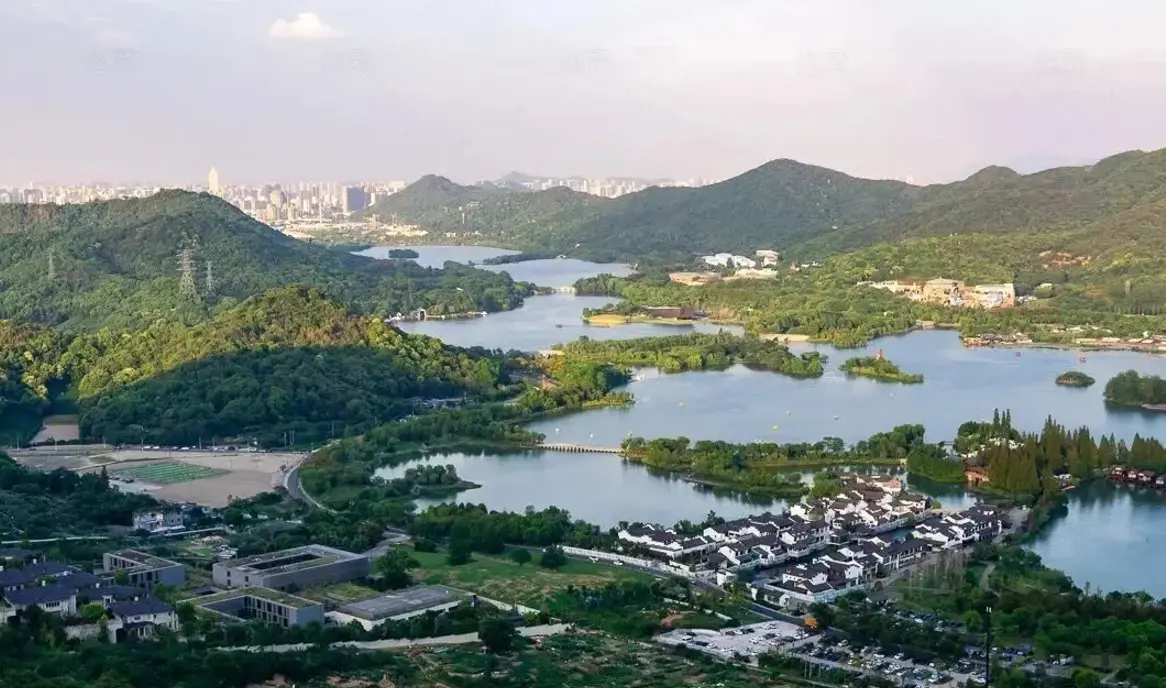
In China, there’s an ancient saying: “There is heaven above, and Suzhou and Hangzhou below.” This means that just as heaven is the most beautiful place in the sky, Suzhou and Hangzhou are the most enchanting places on Earth. Hangzhou, a city in the eastern Chinese province of Zhejiang, is celebrated for its stunning natural scenery, rich history and culture, and mouthwatering cuisine.
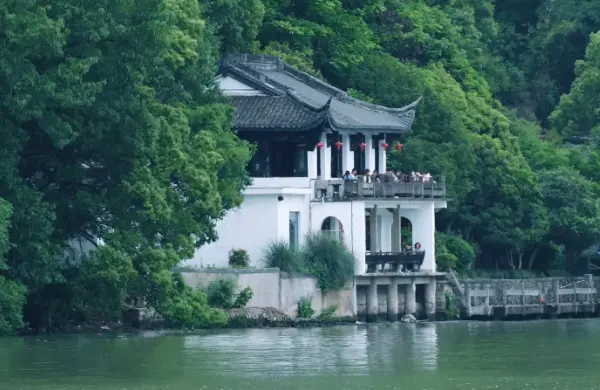
From the shimmering waters of West Lake to the tranquil atmosphere of Lingyin Temple and the profound exhibits at the National Archives of Publications and Culture, every corner of Hangzhou offers a unique charm. The city avoids the chaotic hustle of many major metropolises. It perfectly blends the convenience of a modern city with the gentle, serene elegance of a traditional Jiangnan water town. If you’re planning a trip to China, Hangzhou travel is a can’t-miss experience where first-time visitors can easily find something to love.
Top 5 Reasons to Visit Hangzhou
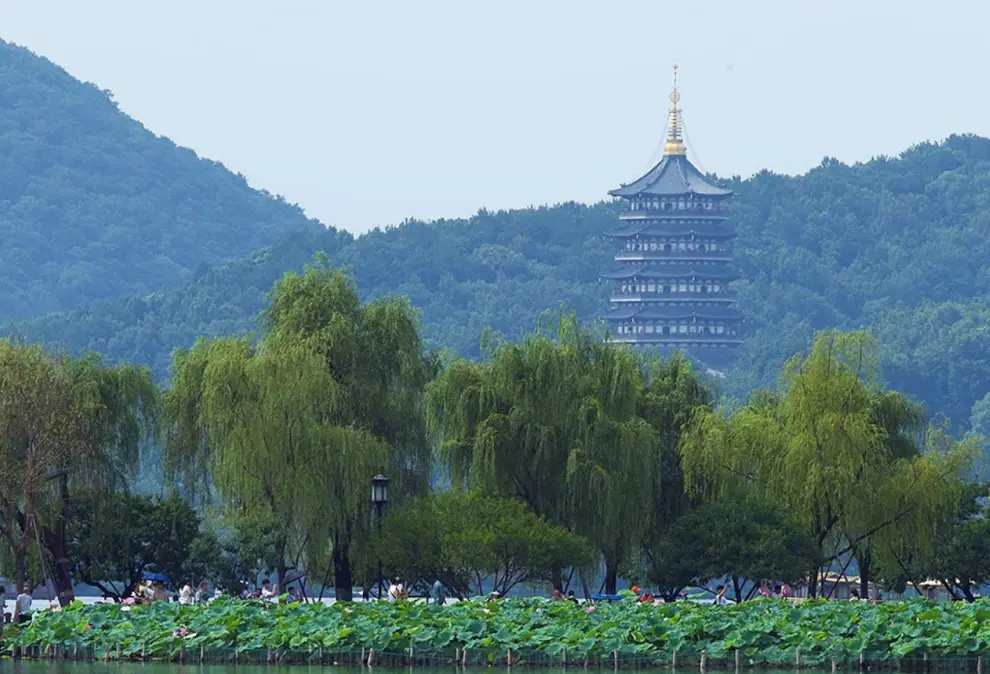
1. The Ever-Changing Beauty of West Lake West Lake is more than just a body of water; it’s a scenic area with causeways, islands, temples, and parks. Each season brings a new stunning view. In spring, the willow trees bud. In summer, lotuses bloom. In autumn, the sweet osmanthus flowers fill the air with fragrance, and in winter, the “Lingering Snow on the Broken Bridge” creates a memorable scene. No matter when you visit, you’ll be treated to an unforgettable picture.
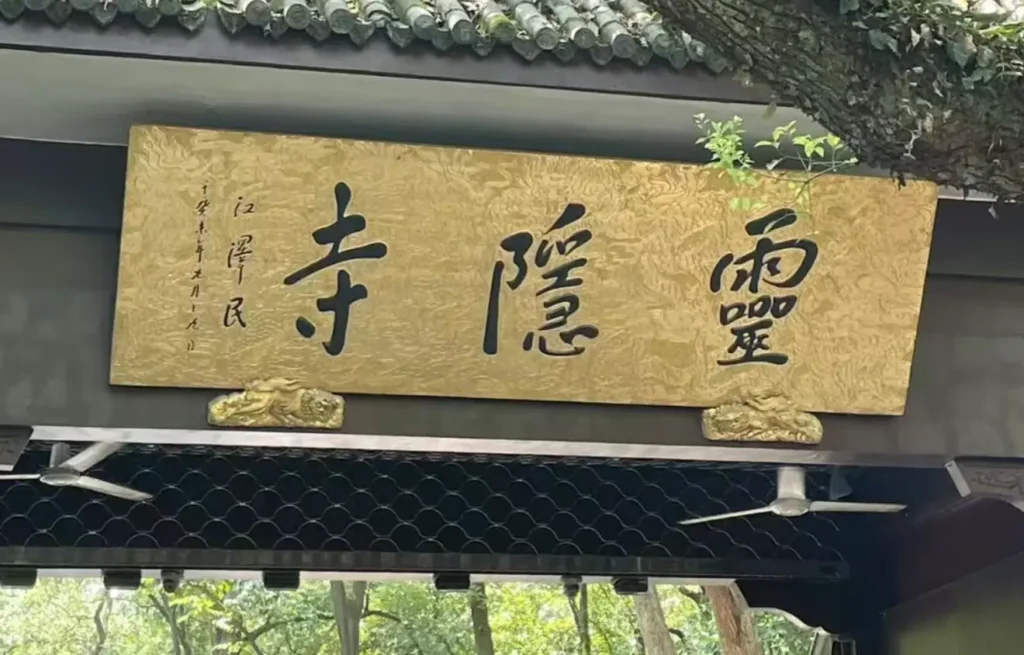
2. The Zen of a Thousand-Year-Old Monastery With a history of over 1,600 years, Lingyin Temple is one of China’s most famous Buddhist monasteries. Here, you can admire ancient stone carvings, inhale the faint scent of incense, and listen to the chanting of monks, all of which will help you feel a sense of peace and relaxation.
3. A Conversation Between Ancient and Modern Civilizations The National Archives of Publications and Culture is a truly special place. It showcases a wide range of cultural treasures and ancient books, from oracle bone script to modern digital versions. You can clearly see the ongoing inheritance and development of Chinese civilization.
4. Jiangnan Water Town Cuisine Hangzhou cuisine is known for its fresh, tender, light, and crisp flavors. Dishes like West Lake Fish in Vinegar Sauce, Dongpo Pork, and local favorites like steamed dumplings and Pian’er Chuan noodles each have a distinct and delicious taste that will delight your palate.
5. Convenient Transportation and a Welcoming Atmosphere Hangzhou’s public transportation, including its extensive metro and bus network, is very convenient. The city is clean and well-maintained, and the people are friendly and welcoming, making it a very comfortable place for foreign tourists to explore.
Opening Hours and Ticket Information
Hangzhou is very budget-friendly for tourists, as many of its most famous attractions are free. Here’s a breakdown of the opening hours and ticket prices for some of the city’s key sites.
Opening Hours
| Attraction | Opening Hours | Recommended Time to Visit |
| West Lake (Public Area) | All day | 6:00 AM–8:00 AM (fewer crowds, fresh air); 5:00 PM–7:00 PM (beautiful sunset views) |
| West Lake Cruise (to Three Ponds Mirroring the Moon) | 8:00 AM–5:00 PM (peak season, Apr–Oct); 8:30 AM–4:30 PM (off-season, Nov–Mar) | 9:00 AM–11:00 AM or 2:00 PM–4:00 PM (ideal for photos) |
| Lingyin Temple | 7:30 AM–5:00 PM (peak season, Apr–Oct); 8:00 AM–4:30 PM (off-season, Nov–Mar) | 8:00 AM–10:00 AM (more peaceful with fewer visitors) |
| National Archives of Publications and Culture (Hangzhou) | 9:00 AM–5:00 PM (closed on Mondays, except for public holidays); last entry at 4:30 PM | 10:00 AM–2:00 PM (ample time to explore) |
Ticket Information
- West Lake (public areas, including Bai Causeway, Su Causeway, Broken Bridge, and Gushan Island) is free of charge. You can visit these areas at any time without a ticket.
- West Lake Cruise (to Three Ponds Mirroring the Moon):
- Adult ticket: ¥55/person (includes the boat ride and island entrance fee).
- Children (47–59 inches tall): ¥27.5/person.
- Children under 47 inches: Free.
- Tickets can be purchased at the lakeside piers or booked in advance on tourism apps.
- Lingyin Temple:
- Total ticket price: ¥75/person. This includes the ticket for Feilai Peak (¥45) and the incense fee for Lingyin Temple (¥30).
- Please note: You must buy the Feilai Peak ticket first to enter the Lingyin Temple area, and then purchase the incense fee to enter the temple itself.
- National Archives of Publications and Culture (Hangzhou):
- Free to enter, but you must make a reservation in advance.
- You can reserve a time slot through the official WeChat account or mini-program by providing your personal information and selecting a date.
Discounts
Seniors over 60, people with disabilities, and active military personnel can get free or reduced tickets with a valid ID. Full-time students (undergraduate and below) can get a 50% discount on the Lingyin Temple ticket (¥37.5/person) with a valid student ID.
When to Visit and Suggested Itineraries
1. Best Seasons to Visit
Hangzhou has four distinct seasons, and each has its own unique beauty, making it a great destination year-round. However, the two best seasons to visit are:
- Spring (March-May): This is when Hangzhou is in full bloom. The willow trees along West Lake turn green, and peach blossoms are everywhere, bringing the Su and Bai Causeways to life. In mid-April, tulips and cherry blossoms also bloom around the lake, creating a stunning scene. The weather is very pleasant, with temperatures between 10-25°C (50-77°F), perfect for outdoor activities.
- Autumn (September-November): The weather is crisp and clear, with sunny skies and comfortable temperatures between 15-28°C (59-82°F). The sweet osmanthus flowers blossom from late September to early October, filling the entire city with their fragrant scent. In November, the leaves on the maple trees at Lingyin Temple and Gushan Island turn a vibrant red, offering excellent photo opportunities.
If you love snow, you might consider visiting in Winter (December-February). While it’s cold (0-10°C / 32-50°F), a snowy day transforms West Lake into a breathtaking landscape, especially with the “Lingering Snow on the Broken Bridge” view, one of China’s most famous. In Summer (June-August), it’s hot (25-35°C / 77-95°F) and can be rainy or have typhoons, but the lotus flowers in West Lake are in full bloom, which is a sight to see.
2. Suggested Itineraries
Here are some itinerary suggestions based on the length of your trip.
One-Day Trip
If you’re short on time, focus on West Lake and Lingyin Temple.
- 8:00 AM – 10:00 AM: Head to Lingyin Temple to visit Feilai Peak and the temple itself, immersing yourself in the Zen culture.
- 10:30 AM – 12:00 PM: Leave Lingyin Temple and go to the famous Lou Wai Lou restaurant by West Lake for lunch. Be sure to try local specialties like West Lake Fish in Vinegar Sauce and Dongpo Pork.
- 1:00 PM – 4:00 PM: Take a cruise on West Lake to the island of Three Ponds Mirroring the Moon. After visiting the island, return to the shore and take a relaxing stroll along the Bai or Su Causeways to enjoy the lake scenery.
- 5:00 PM – 6:30 PM: Watch the sunset by West Lake, then head to Hefang Street for dinner and to explore the bustling night market.
Two-Day Trip
With two days, you can experience more of Hangzhou’s charm. In addition to West Lake and Lingyin Temple, you can add the National Archives or Xixi Wetland.
- Day 1: Lingyin Temple + West Lake (follow the one-day itinerary).
- Day 2:
- 9:00 AM – 12:00 PM: Visit the National Archives to learn about the history of Chinese civilization.
- Afternoon: Have lunch at a nearby restaurant.
- 1:30 PM – 4:30 PM: Head to Xixi Wetland National Park. Take a boat tour to admire the beautiful natural landscape.
- Evening: Return to the city center and have dinner at Zhi Wei Guan to try local Hangzhou snacks.
Three-Day Trip
With three days, you can explore Hangzhou in more depth, adding the Liangzhu Ancient City Archaeological Park or Song Dynasty Town.
- Day 1: Lingyin Temple + West Lake.
- Day 2: National Archives + Xixi Wetland.
- Day 3:
- 9:00 AM – 12:00 PM: Visit the Liangzhu Ancient City Archaeological Park to learn about the 5,000-year-old Liangzhu civilization.
- Afternoon: Have lunch near the park.
- 1:30 PM – 4:30 PM: Go to Song Dynasty Town and watch the spectacular “Romance of the Song Dynasty” show, experiencing the culture of that era.
- Evening: Have dinner at Song Dynasty Town before heading back to the city.
Where to Stay in Hangzhou
Hangzhou offers a wide range of accommodation options, from high-end hotels to budget-friendly guesthouses. When choosing where to stay, consider your itinerary. Here are a few recommended areas:
1. West Lake Area This is the most popular area to stay. It’s close to West Lake and very convenient for sightseeing. There are many luxury hotels and boutique guesthouses with beautiful surroundings, but prices are higher.
- Recommended Hotels: Hangzhou West Lake State Guest House (a luxury hotel with a quiet environment on the lake), Hangzhou Sofitel Westlake (a 4-star hotel with lake-view rooms), Hangzhou Manju Xiaozhu Guesthouse (a cozy guesthouse that offers good value).
- Price Range: Luxury hotels from ¥1,000-3,000/night; 4-star hotels from ¥600-1,000/night; Guesthouses from ¥300-600/night.
2. Wulin Square / Longxiangqiao Area This is the downtown area, known for its convenient transportation. It’s on Metro Line 1 and surrounded by shopping malls and restaurants, perfect for those who love to shop and eat. It’s also only a 10-15 minute walk to West Lake.
- Recommended Hotels: Courtyard by Marriott Hangzhou Wulin (a 4-star hotel close to the square), Home Inn Select (Longxiangqiao) (a budget-friendly option with great location), Park Hyatt Hangzhou (a luxury hotel in the city center with deluxe facilities).
- Price Range: Luxury hotels from ¥800-2,000/night; 4-star hotels from ¥500-800/night; Budget hotels from ¥200-400/night.
3. Hangzhou East Railway Station Area This area is ideal if you are arriving by high-speed train or planning to travel to other cities. It’s a transportation hub where Metro Lines 1, 4, and 6 intersect, making it easy to get to any attraction in the city. Prices are also more affordable.
- Recommended Hotels: Holiday Inn Express Hangzhou East (a great budget option close to the station), Conrad Hangzhou (a luxury hotel with a comfortable environment not far from the station), Atour Hotel (East Station Branch) (a mid-range hotel offering great value).
- Price Range: Luxury hotels from ¥600-1,500/night; Mid-range hotels from ¥300-500/night; Budget hotels from ¥150-300/night.
4. Xixi Wetland Area This area is perfect for those who prefer a quiet, natural environment. The air is fresh, and there are many charming guesthouses and resort hotels. However, it’s a bit farther from the city center, so you’ll need to rely on the metro or taxis to get around.
- Recommended Hotels: Sheraton Grand Hangzhou Wetland Park Resort (a luxury resort on the edge of the wetland), Xixi Paradise Resort (a mid-range hotel close to the wetland), Hangzhou Xixi Guesthouse (a guesthouse full of the charm of a Jiangnan water town).
- Price Range: Luxury resorts from ¥800-2,000/night; Mid-range hotels from ¥400-700/night; Guesthouses from ¥200-500/night.
Tips for a Great Trip
- Book popular spots in advance: Many popular attractions, like the National Archives and Lingyin Temple, require an advance reservation, even if they are free. We recommend booking 1-2 days ahead of your visit through their official channels to ensure you can get in.
- Travel during off-peak times: West Lake and Lingyin Temple can get very crowded on weekends and holidays. Try to visit on a weekday or go early in the morning to beat the crowds and enjoy the scenery more peacefully.
- Choose the right way to see West Lake: West Lake is large, and walking the entire way can be tiring. You can take a boat to see the middle of the lake, use the electric shuttle to tour the main spots, or ride a bicycle along the causeways for a more leisurely experience.
- Consider a professional guide: Many of Hangzhou’s historical and cultural sites, like Lingyin Temple, have rich stories behind them. Hiring a guide can help you understand the history and significance of these places, making your visit more meaningful. You can find licensed guides at the attractions or book a service through a travel app.
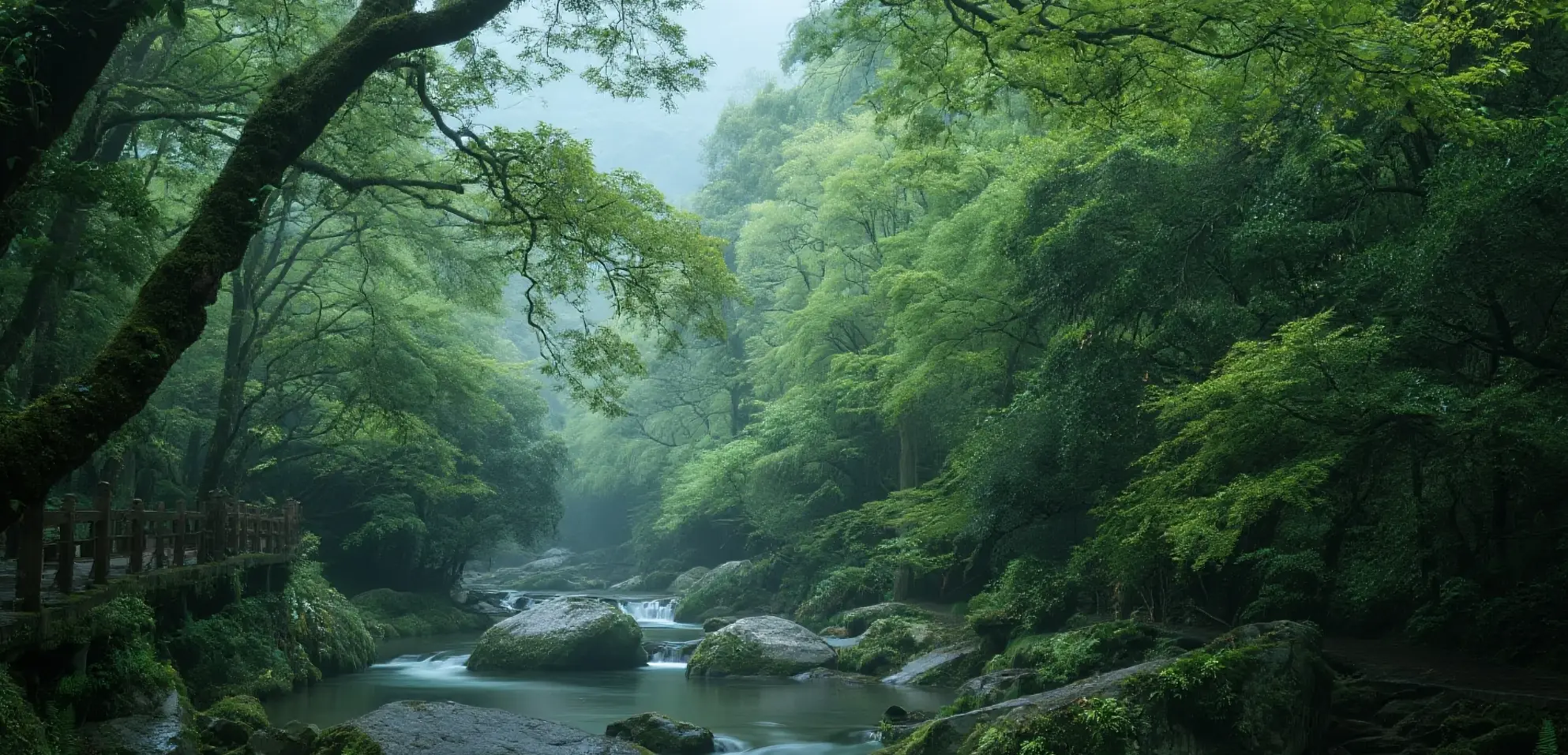
- Check the weather: Hangzhou’s weather can change quickly, especially in spring and summer. Check the forecast before you go and carry an umbrella or a raincoat. If it rains, West Lake becomes even more beautiful, with a misty, ethereal feel.
- Respect local customs: Lingyin Temple is a Buddhist temple. When entering, please dress modestly and avoid wearing shorts, skirts, or tank tops. Be quiet inside the temple, and do not touch the statues or artifacts. If you wish to burn incense, follow the temple’s rules.
Can’t-Miss Experiences in Hangzhou
1. Watch a Sunrise or Sunset at West Lake The sunrises and sunsets over West Lake are incredibly beautiful. The best spots are near the Broken Bridge or Gushan Island. As the sun rises or sets, its golden light shimmers on the water, creating a stunning, picturesque scene. Check the sunrise and sunset times beforehand to get there early and find a good spot.
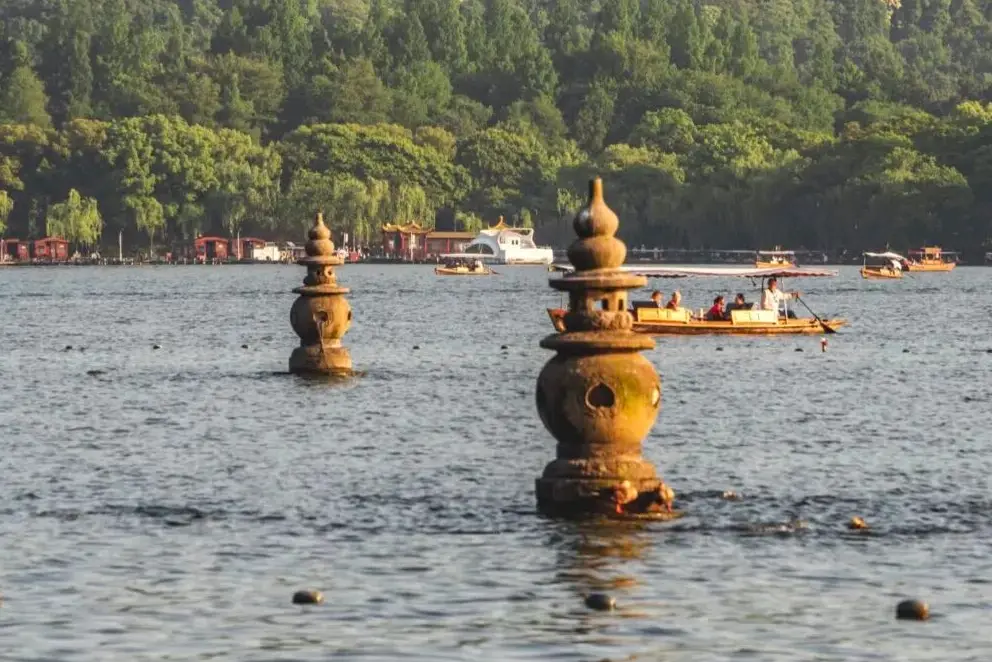
2. Take a Cruise to See Three Ponds Mirroring the Moon Three Ponds Mirroring the Moon is one of the most iconic sights on West Lake and is even featured on the back of the 1 Yuan banknote. Taking a cruise on a painted boat allows you to get up close to the stone pagodas and truly appreciate the serene beauty of the lake.
3. Pray and Meditate at Lingyin Temple Lingyin Temple is a famous Buddhist site in China. Many visitors come here to pray for peace and good health. Even if you’re not a Buddhist, you can still experience the temple’s peaceful and meditative atmosphere.
4. Visit the National Archives to Experience a Dialogue Between Ancient and Modern Civilizations The National Archives of Publications and Culture showcases a vast collection of ancient and modern cultural books and artifacts. Through these exhibits, you can clearly see the history and evolution of Chinese civilization, making for a truly meaningful cultural experience.
5. Savor Signature Dishes at Historic Restaurants Historic restaurants like Lou Wai Lou and Zhi Wei Guan are the heart of Hangzhou’s food scene. Here, you can taste authentic local dishes like West Lake Fish in Vinegar Sauce and Dongpo Pork, and experience the rich culinary culture of the city.
6. Explore the Night Market on Hefang Street Hefang Street is Hangzhou’s most famous historic and cultural area. At night, the market is lively and bustling, filled with traditional snacks, handicrafts, and unique souvenirs. You can find many wonderful things and experience the lively, everyday life of the city.
7. Bike Along the Su or Bai Causeways The Su and Bai Causeways are two of West Lake’s most famous embankments, with beautiful scenery all along the way. Rent a bicycle, feel the lake breeze, and enjoy the beautiful views on both sides for a truly relaxing experience.
Tips for a Smooth Trip
- Download essential apps: To make your trip easier, download Alipay and WeChat for mobile payments and public transport. Also, download a navigation app like Amap (Gaode Maps) or Baidu Maps and a restaurant review app like Dianping to find great places to eat and visit.
- Have your documents ready: Your ID card is a must. Foreigners should have their passports with them. You’ll need them to buy tickets, board high-speed trains, and check into hotels.
- Bring some cash: While mobile payment is widely accepted in Hangzhou, it’s a good idea to have a small amount of cash on hand for small vendors or in more remote areas where mobile payments might not be an option.
- Wear comfortable shoes: Many of Hangzhou’s attractions, like the West Lake causeways and the paths at Lingyin Temple, involve a lot of walking. Comfortable shoes are a must to avoid foot pain and enjoy your trip.
- Carry basic medicine: Bring any common medications you might need for things like motion sickness, colds, or an upset stomach, just in case.
- Don’t forget sunscreen: Especially in summer and autumn, the sun in Hangzhou can be strong. Be sure to bring sunscreen, a hat, and sunglasses to protect yourself from the sun.
- Pace yourself: There are many things to see in Hangzhou, so don’t pack your itinerary too tightly. Leave enough time to rest and truly appreciate the scenery for a more relaxed and enjoyable trip.
Important Things to Remember
- Be mindful of your safety and belongings: In tourist areas and crowded places, keep a close eye on your personal belongings to avoid losing them. At night, try to avoid walking alone in secluded areas.
- Follow traffic rules: Obey traffic rules when using public transport or crossing the street. When cycling, stay in the bike lane and watch out for pedestrians.
- Help keep the city clean: Hangzhou is a very clean city. Do your part by not spitting or littering. Use the designated trash cans for your rubbish.
- Don’t touch artifacts or plants: When visiting attractions, don’t touch artifacts, statues, or plants. Some plants might be poisonous, so it’s best not to pick them.
- Respect the locals: Be polite to local residents and respect their customs. If you need help, you can politely ask them for assistance.
- Follow attraction rules: Every attraction has its own rules, such as no smoking or no photography in certain areas. Be sure to follow these rules to avoid any issues.
- Be smart about food: When trying street food or snacks, choose vendors and shops that look clean and hygienic to avoid getting an upset stomach.
How to Get to Hangzhou: A Guide to Your Travel Options
Hangzhou is a major transportation hub in eastern China, so getting here is very easy. You can choose the best option based on your starting location and budget.
1. By Plane: The Fastest Option
Hangzhou Xiaoshan International Airport (HGH) is the largest airport in Zhejiang province and an important international airport in China. It’s located about 30 kilometers (18.6 miles) from the city center and is well-connected.
The airport has international flights to many countries and regions, including Seoul, Tokyo, Singapore, Kuala Lumpur, and Bangkok. If you’re coming from abroad, you can fly directly. If you’re traveling from another Chinese city, domestic flights are frequent and cover almost all major cities.
Getting from the airport to the city is easy:
- Airport Shuttle Bus: This is a cost-effective choice, with fares typically ranging from ¥20-30 RMB. The buses cover major city center areas like Wulin Square, West Lake Cultural Plaza, and Hangzhou East Railway Station. Buses run frequently, usually every 30 minutes to an hour. You can check the schedule on the airport’s official website or at the information desks.
- Taxi/Ride-hailing: If you have a lot of luggage or want a quicker trip to your hotel, a taxi or ride-hailing service is a good option. Taxis have a designated waiting area outside the arrivals hall, and ride-hailing services have specific pick-up spots. The journey to the city center takes about 40-60 minutes and costs around ¥100-150 RMB, depending on traffic and your destination.
- Metro: Metro Line 1 and Line 7 both connect to Xiaoshan Airport. This is one of the most convenient and affordable ways to get to the city. Fares vary but are typically between ¥5-10 RMB. The metro operates from around 6:00 AM to 11:00 PM, making it a great choice if you arrive during these hours.
2. By Train: Experience China’s Convenient Rail Network
Hangzhou has several train stations, with the main ones being Hangzhou East Railway Station and Hangzhou Railway Station.
Hangzhou East Railway Station is one of China’s largest train stations, primarily serving high-speed and bullet trains. It connects Hangzhou to major cities across the country, including Beijing, Shanghai, Guangzhou, and Shenzhen. The high-speed train from Shanghai is very frequent and can get you to Hangzhou in as little as 45 minutes. The station is also a transportation hub, with Metro Line 1, 4, and 6 connecting directly to the city’s various districts.
Hangzhou Railway Station (also known as Chengzhan Station) is located in the city center. It mainly serves conventional trains and some bullet trains. It’s very close to the West Lake scenic area, just a few stops away on Metro Line 1 or a short taxi ride of about ten minutes.
You can buy train tickets on the official China Railway 12306 website or app, or at the station’s ticket counters and self-service machines. If you are a foreign national, you will need to use your passport for the real-name registration process before you can purchase a ticket.
3. By Long-Distance Bus: For Short Trips from Nearby Cities
If you are traveling from a nearby city like Suzhou, Wuxi, or Ningbo, a long-distance bus is a good option. Hangzhou has several bus terminals, including the North Bus Station, South Bus Station, and West Bus Station, each with routes to different regions.
Bus fares are relatively low, and there are many daily services, though the travel time will be longer than by high-speed train. You can check schedules and buy tickets on the bus station’s official websites or on major travel apps.
4. Getting Around Hangzhou: Exploring the City
Once you’ve arrived, getting around Hangzhou is a breeze. The city has an excellent public transportation system, including the metro, buses, taxis, and ride-hailing services.
- Metro is your best choice for getting around the city. Hangzhou has multiple metro lines that cover major attractions and business districts, including West Lake, Lingyin Temple, Hefang Street, and Wulin Square. Metro fares are affordable, usually between ¥2-10 RMB, and you’ll avoid traffic.
- Buses have a wider network and can reach almost every corner of the city. Fares are typically ¥2 RMB, though some lines may be ¥1 or ¥3 RMB. If you plan to stay for a few days, you can get a Hangzhou Tong Card, which offers discounts on both metro and bus rides.
- Taxis and ride-hailing services are also convenient, especially for places not easily reached by metro or bus. Taxis start at ¥13 RMB for the first 3 kilometers (1.8 miles), with a charge of ¥2.5 RMB for each additional kilometer. Ride-hailing services like Didi are often more affordable and can be booked through an app.
- Shared Bikes are readily available throughout the city. If you enjoy cycling, it’s a great choice for short trips, as it’s eco-friendly and lets you enjoy the scenery along the way.
If you have some extra time in Hangzhou, there are some great places nearby that are perfect for a day or two-day trip. They are not far from the city and are easy to get to.
Recommended Day Trips from Hangzhou
1. Wuzhen: One of China’s Most Beautiful Water Towns Located about 80 kilometers (50 miles) from Hangzhou, Wuzhen is a classic江南 (Jiangnan) water town. It’s famous for its canals, stone bridges, and old houses, and it’s known as a region of “fish and rice” and the “home of silk.” You can reach it by high-speed train in just 30 minutes.
Wuzhen is divided into two scenic areas: East Gate and West Gate. East Gate is smaller, with traditional homes and sites like the former residence of writer Mao Dun. Tickets are ¥110. West Gate is the main scenic area, with ancient bridges, streets, and many unique shops and guesthouses. Tickets are ¥150. If you want to experience the best of both, you can get a combo ticket for ¥200, valid for two days.
Wuzhen is particularly beautiful at night, with the West Gate area having one of the most stunning night views in all of China. The lanterns light up, and the ancient bridges and streets look incredibly romantic. You can take a traditional gondola boat ride at night to enjoy the tranquil beauty of the water town.
2. Thousand Island Lake: The “Best Water Under Heaven” Located about 150 kilometers (93 miles) from Hangzhou, Thousand Island Lake (Qiandao Lake) is an artificial lake created in 1959. It’s famous for its 1,078 islands, which gave the lake its name.
The lake’s water is incredibly clear, with a visibility of up to 12 meters (39 feet), earning it the nickname “the best water under heaven.” The main way to explore the lake is by taking a boat tour to visit different islands. Popular islands include Meifeng Island, Monkey Island, and Longshan Island. Meifeng Island is the most iconic. From its observation deck, you can see a panoramic view of the thousands of islands scattered across the lake, a truly spectacular sight.
The food at Thousand Island Lake is also special, especially the fish dishes made with local fresh ingredients, such as Thousand Island Lake fish head and steamed grouper.
3. Mount Putuo: One of China’s Four Sacred Buddhist Mountains Mount Putuo is located on an island in Zhoushan city, about 200 kilometers (124 miles) from Hangzhou. You need to take a bus to Zhoushan’s Shenjiamen and then a ferry to the island. Mount Putuo is one of China’s four sacred Buddhist mountains and is a holy place for the Bodhisattva Guanyin, known as the “Buddhist Kingdom on the Sea.”
The island has many attractions, including temples like Puji Temple, Fayu Temple, and Huiji Temple, as well as the famous Guanyin statue. The statue stands 33 meters (108 feet) tall by the sea, looking majestic and sacred.
Mount Putuo also has beautiful natural scenery, with beaches, rocky shores, and ancient trees. It’s a great destination that combines Buddhist culture and natural beauty. If you are interested in Buddhism or want to experience a spiritual atmosphere, Mount Putuo is definitely worth a visit.
FAQ: Common Questions About Traveling in Hangzhou
1. What is the best time to visit Hangzhou? Hangzhou is beautiful in every season, but the best times to visit are spring (March-May) and autumn (September-November). In spring, flowers like peach blossoms, cherry blossoms, and tulips are in full bloom, making West Lake especially beautiful. In autumn, the sweet osmanthus flowers fill the air with their scent, and the weather is cool and pleasant. Summer can be hot and humid, while winter can be cold, but a snowy West Lake is a rare and beautiful sight.
2. Do I need to book tickets for attractions in advance? Yes, many attractions in Hangzhou require advance booking, especially during holidays and peak seasons. While the West Lake scenic area is free, popular sites within it like Leifeng Pagoda and Lingyin Temple require reservations. Other places like the National Archives of Publications and Culture also require you to book a slot ahead of time. It’s a good idea to book through the official websites or social media accounts of the attractions a day or two before you go.
3. What’s the weather like, and what clothes should I pack? Hangzhou has a subtropical monsoon climate with four distinct seasons.
- Spring (March-May): 10-20°C (50-68°F). We recommend long-sleeved shirts and a light jacket.
- Summer (June-August): 25-35°C (77-95°F). Wear short sleeves, shorts, or skirts, and don’t forget to use sunscreen.
- Autumn (September-November): 15-25°C (59-77°F). A long-sleeved shirt and a light sweater are good choices.
- Winter (December-February): 0-10°C (32-50°F). Wear a down jacket, sweater, and a scarf to stay warm.
4. Is transportation in Hangzhou convenient? Is there a lot of traffic? Yes, transportation is very convenient, with the metro and bus system covering most major attractions and business areas. However, traffic can be heavy during rush hour (7-9 AM and 5-7 PM), especially around West Lake and in the city center.