Shanghai China Travel Guide 2025 Top Attractions Tips and Itineraries
If you’re curious about Shanghai China, you’re about to uncover one of the world’s most electrifying cities — where dazzling skyscrapers meet centuries-old alleys. With over 25 million people, it’s a place where East meets West in the most vivid ways imaginable. Whether you’re planning your first trip or returning for another adventure, 2025 is shaping up to be the perfect time to experience Shanghai’s renewed energy, new attractions, and easier travel options. In this guide, you’ll get the insider scoop on everything from iconic landmarks like The Bund to secret local gems, all designed to help you navigate this cosmopolitan metropolis like a pro. Ready to dive into Shanghai’s unique blend of history, culture, and modern flair? Let’s go!
Why Shanghai Should Be on Your China Itinerary
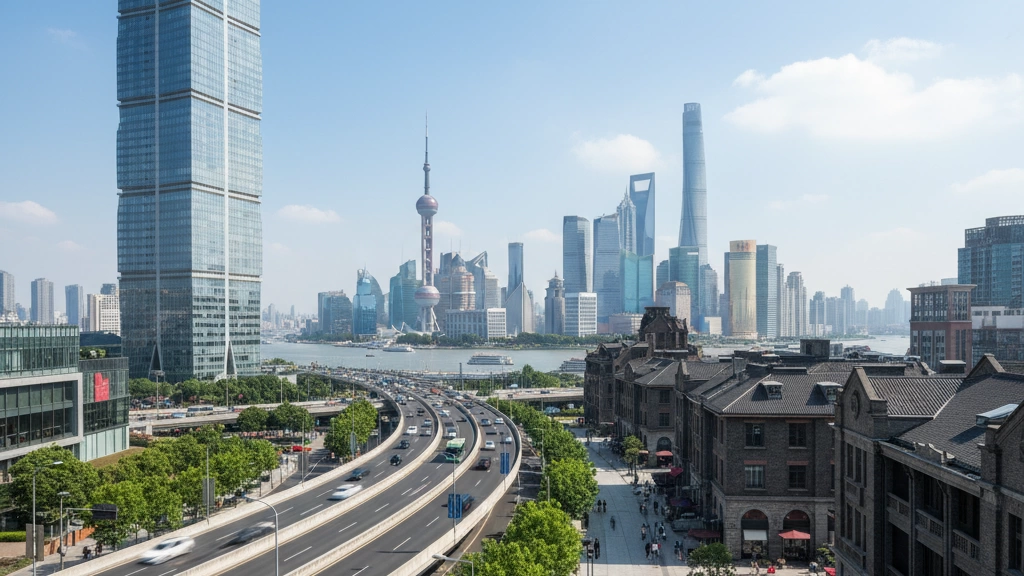
Shanghai is a city like no other, offering a striking blend of East-West culture, rich history, and cutting-edge modernity. Here, colonial-era architecture stands alongside futuristic skyscrapers, creating a skyline that’s world-famous and unmistakably dynamic. As one of China’s top global financial hubs, Shanghai boasts world-class dining, luxury shopping, and a vibrant nightlife that appeals to all kinds of travelers.
Beyond its urban charm, Shanghai is a perfect gateway city. Thanks to the 144-hour visa-free transit policy, you can explore the city and even take short side trips without the hassle of a visa, making it an ideal starting point for your China adventure. Whether you’re drawn to stunning views along The Bund or eager to experience the city’s pulsating energy, Shanghai alone makes a fantastic reason to include China in your travel plans.
Shanghai Essentials: Facts and Overview
Shanghai sits on China’s eastern coast at the mouth of the Yangtze River, giving it a temperate climate with four distinct seasons. The best time to visit is during spring (March to May) and autumn (September to November) when the weather is mild and comfortable — perfect for exploring the city’s streets and parks.
With over 24 million residents, Shanghai is China’s largest city by population. Mandarin is the official language, but English signage is common in tourist areas and public transport. Learning a few basic Mandarin phrases can be helpful, especially in local markets and less touristy neighborhoods.
The local currency is the Chinese yuan (CNY), and Shanghai operates on China Standard Time (GMT+8). For 2025, Shanghai remains safe for travelers, but it’s wise to stay updated on local travel advisories, especially regarding health regulations and crowded areas.
How to Get to Shanghai
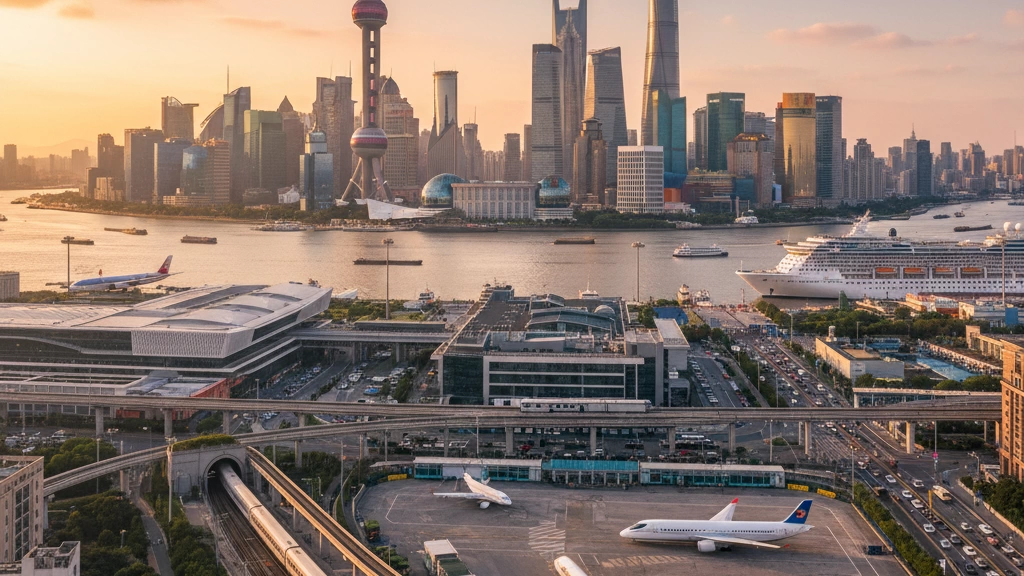
Shanghai is easily accessible through two major airports: Shanghai Pudong International Airport (PVG) and Shanghai Hongqiao International Airport (SHA). Pudong handles most international flights and offers excellent connections worldwide, while Hongqiao mainly serves domestic flights and some regional international routes. For the smoothest experience, book flights arriving at Pudong if you’re coming from the U.S. or Europe.
If you’re traveling within China, high-speed trains make getting to Shanghai a breeze. Frequent bullet trains connect Shanghai with major cities like Beijing, Xi’an, Hangzhou, and Suzhou, all within a few hours. Taking a train is a comfortable and scenic way to see more of China’s diverse landscapes.
For those arriving by sea, Shanghai’s cruise terminal welcomes international cruise ships, and river ferries offer scenic trips along the Huangpu River, giving you a unique entry point into the city. This is especially convenient if you’re coming from nearby water towns or planning a cruise along the Yangtze River.
Getting Around Shanghai Like a Local
Getting around Shanghai is easy and affordable, especially with its extensive metro system. The metro is cheap, efficient, and well-marked with English signage, making it perfect for first-time visitors. For short trips or places not close to a metro stop, taxis are widely available, though using the Didi app (China’s version of Uber) often offers better prices and convenience.
Where to Stay in Shanghai – Neighborhood Guide
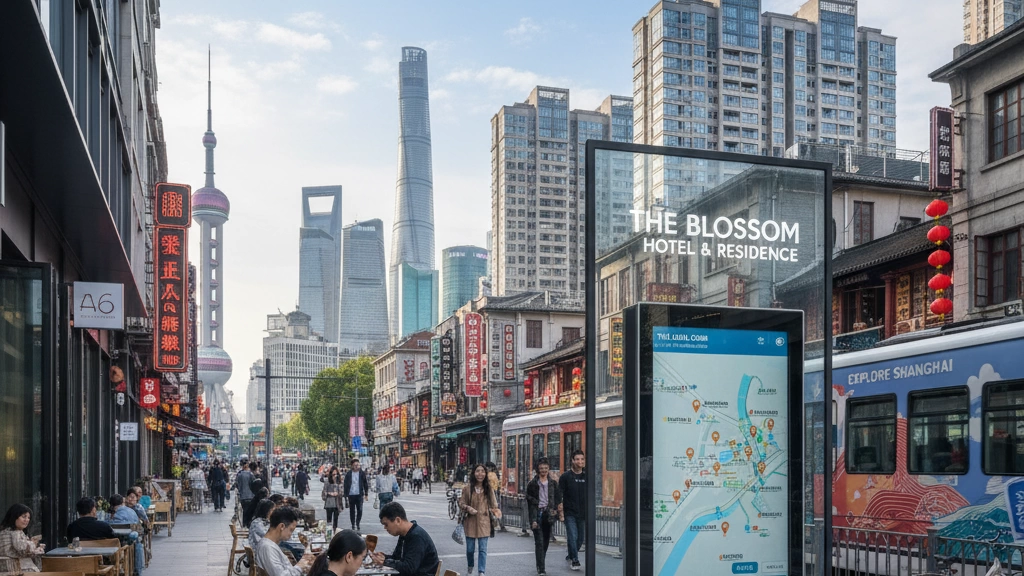
Shanghai offers a range of neighborhoods to fit every travel style and budget.
The Bund & Nanjing Road
Ideal for those who want iconic views of the Shanghai skyline and luxury hotels. Staying here puts you close to the Huangpu River and world-famous sights, perfect for a splurge.
Former French Concession
Known for its charming tree-lined streets and boutique hotels, this area is great for travelers looking for a quiet yet stylish vibe. It’s filled with cafes, galleries, and unique shops.
Pudong/Lujiazui
The modern financial district with towering skyscrapers like Shanghai Tower. This area features sleek, high-end hotels with amazing views and easy access to business centers.
Jing’an & Xintiandi
Trendy neighborhoods offering mid-range accommodations. Jing’an is popular for its temples and parks, while Xintiandi features a lively nightlife scene and international dining options.
Budget and Hostels
For travelers watching costs, neighborhoods like Hongkou and Huangpu provide affordable hostels and budget hotels without sacrificing convenience. Plus, they’re well connected by Shanghai’s metro.
Top Attractions in Shanghai
Shanghai offers a variety of must-see spots that showcase its vibrant mix of history, culture, and modern life.
-
The Bund & Huangpu River Night Cruise
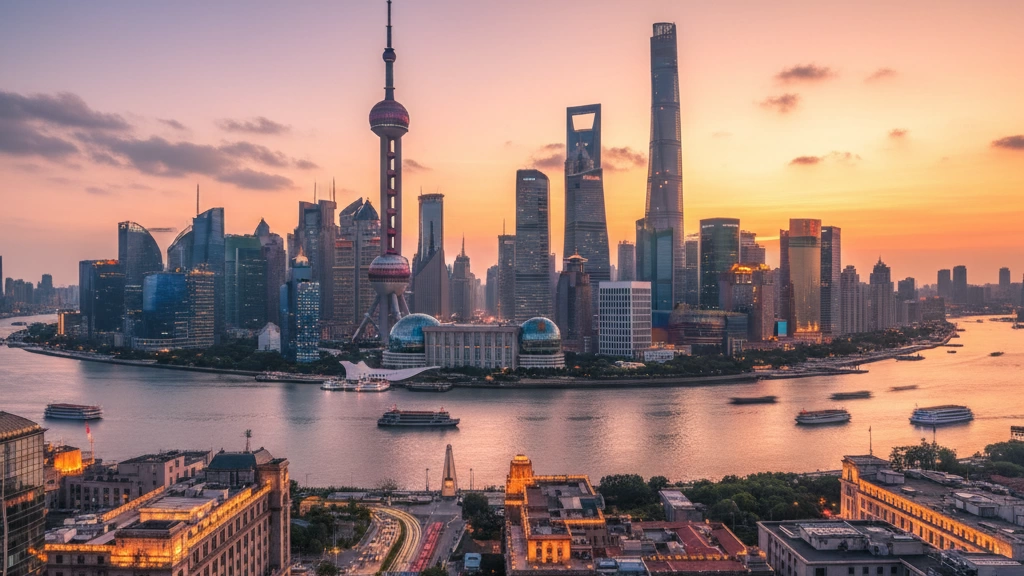
Walk along The Bund for iconic views of the Pudong skyline, then hop on a nighttime cruise to see the city lights shimmering along the Huangpu River.
-
Pudong Skyline
Visit towering landmarks like the Shanghai Tower, Oriental Pearl Tower, and Jin Mao Tower observation decks for unbeatable city panoramas.
-
Yu Garden & Old City (Yuyuan Bazaar)
Explore this classical Chinese garden and nearby traditional market, perfect for souvenirs, tea shops, and local snacks.
-
Nanjing Road Pedestrian Street
One of China’s premier shopping streets, packed with stores ranging from luxury brands to local boutiques.
-
Former French Concession Walking Tour
Stroll through leafy, historic streets filled with cafes, art galleries, and boutique shops—great for experiencing Shanghai’s European charm.
-
Zhujiajiao or Qibao Water Town Day Trips
Escape the city with a trip to one of these charming ancient water towns, featuring canals, traditional architecture, and peaceful vibes.
-
Shanghai Disneyland
A top destination for families and Disney fans, with themed rides and entertainment blending Western and Chinese influences.
-
Tianzifang Arts District & M50 Contemporary Galleries
Discover trendy art studios, craft shops, and cafes in these creative hubs showcasing Shanghai’s modern artistic scene.
Shanghai Itineraries
1–2 Days: Classic Highlights for Transit Visitors
If you’re stopping in Shanghai for a quick visit or during your 144-hour visa-free transit, focus on the city’s iconic spots: explore The Bund for stunning skyline views, stroll along Nanjing Road for some fast-paced shopping, and wander through Yu Garden and the Old City to experience traditional Shanghai. Finish with a Huangpu River cruise at night to see the sparkling skyscrapers.
3–4 Days: Best First-Timer Pace
This schedule allows a balanced mix of modern and historic attractions. Beyond the classic highlights, spend time exploring the Former French Concession’s tree-lined streets and trendy cafes. Visit Pudong’s towering skyscrapers like Shanghai Tower and Jin Mao for panoramic city views. You can also enjoy the artsy vibes of Tianzifang and M50 galleries. Even squeeze in a half-day at Shanghai Disneyland if you’re interested.
5–7 Days: Deep Dive with Day Trips
With a week in Shanghai, you can comfortably add day trips to nearby gems. Suzhou, known for its classical gardens and canals, is just 45 minutes by train — a perfect escape into classic Chinese beauty. Hangzhou, famous for its serene West Lake, offers a peaceful contrast to urban excitement. For a taste of traditional water-town life, visit Zhujiajiao or Qibao, charming villages easily reached from Shanghai. These trips provide a fuller picture of the region’s rich culture and history. For more details on Hangzhou, you can check out this Hangzhou travel guide.
Food and Dining in Shanghai
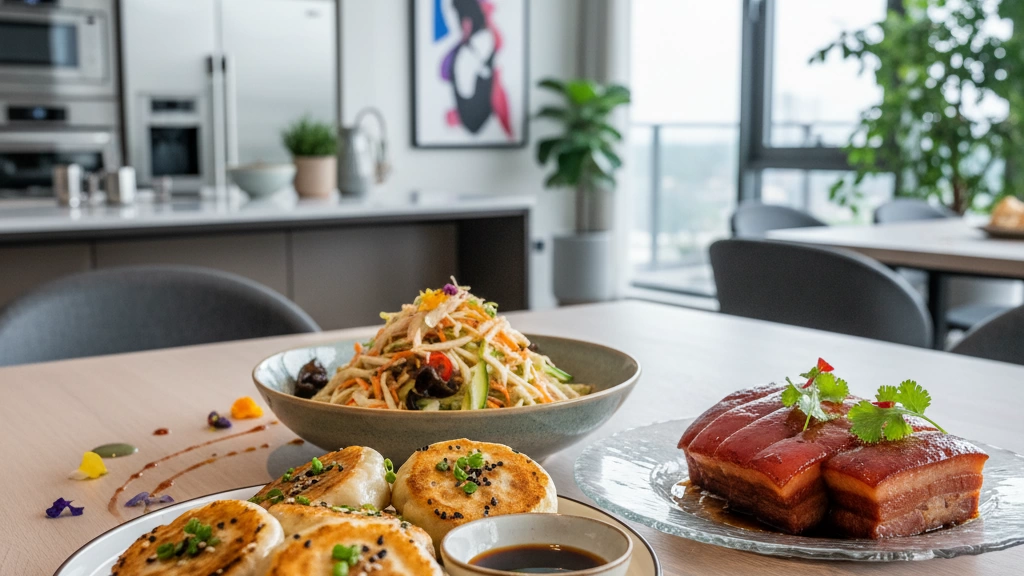
Shanghai’s food scene is a blend of traditional flavors and modern dining experiences. You can’t visit without trying local staples like Xiaolongbao (soup dumplings), crispy Shengjian bao (pan-fried buns), and the seasonal delicacy hairy crab. These dishes capture the essence of Shanghai’s culinary heritage.
If you’re up for street food, the night markets and local stalls offer authentic tastes at wallet-friendly prices. For a more upscale experience, Shanghai boasts Michelin-starred spots like Ultraviolet where dining becomes an immersive art form.
International food is easy to find, especially around Xintiandi and The Bund, where lively nightlife pairs well with diverse cuisine options—from Western to Asian fusion. Vegetarian and vegan choices are growing, with many cafes and restaurants embracing plant-based menus alongside a thriving coffee culture perfect for breaks between sightseeing.
For more on food highlights and recommendations across China, the China Backpackers food guide is a great resource.
Shopping and Souvenirs in Shanghai
If you’re looking to shop in Shanghai, Nanjing Road and Huaihai Road are must-visits for luxury brands and big international stores. These bustling streets offer everything from high-end fashion to popular global labels, perfect if you want authentic designer items.
For a more local experience, check out Shanghai’s fake markets where you can bargain for knockoffs, souvenirs, and clothes. Great for souvenirs like silk scarves, tea sets, and pearls, these markets offer unique finds that won’t break the bank.
You’ll also find a contrast between modern malls like IFC Mall or Super Brand Mall, featuring sleek stores and global brands, and traditional markets where vendors sell handmade crafts, local snacks, and antiques. Both have their charm—malls for the convenience and variety, markets for character and culture.
Keep these tips in mind when shopping in Shanghai:
- Always try bargaining in traditional markets—it’s expected!
- Authentic silk and tea make excellent gifts, so look for reputable shops.
- Credit cards work in malls, but cash (or mobile pay like WeChat Pay) is best for markets.
Nightlife and Entertainment in Shanghai
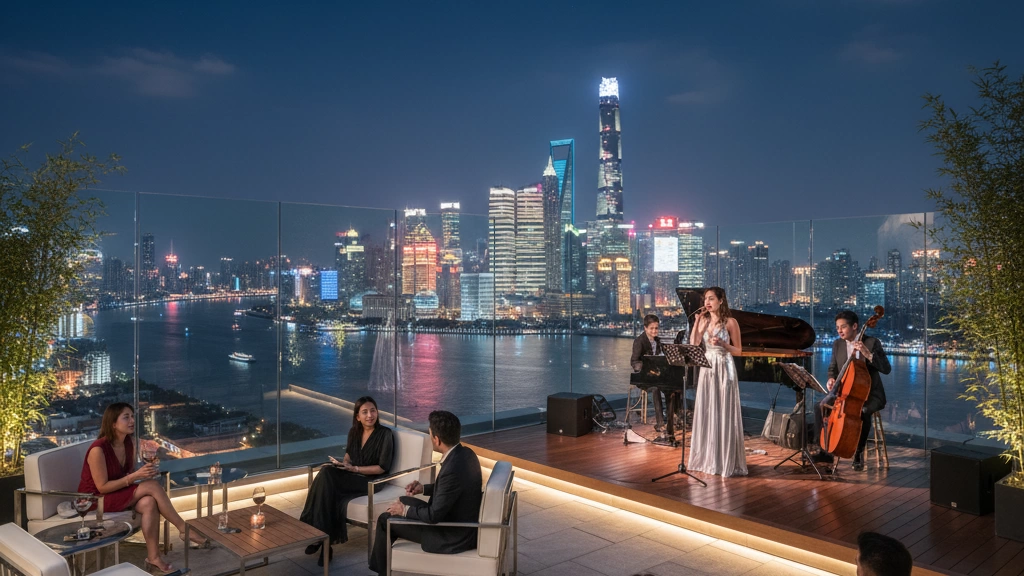
Shanghai’s nightlife is lively and varied, perfect for every type of night owl. Start with bar hopping on The Bund rooftop terraces, where you can enjoy incredible views of the Shanghai skyline while sipping cocktails. These spots offer a mix of glam and chill vibes, ideal for unwinding after a day of sightseeing.
If you love live music, head to the Former French Concession for its cozy jazz clubs. These intimate venues bring smooth tunes and a classic atmosphere that’s a nice contrast to the city’s modern buzz.
For something uniquely Shanghai, don’t miss the world-class acrobatics shows. They blend traditional Chinese artistry with jaw-dropping stunts, usually held in theaters along the Huangpu River.
Speaking of the river, take an evening cruise on the Huangpu River to see Shanghai’s iconic lights come alive. It’s a magical way to experience the city’s energy well into the night.
- The Bund rooftop bars: Great city views + cocktails
- French Concession jazz clubs: Relaxed live music
- Acrobatics shows: Stunning performances with culture
- Huangpu River cruise: Night skyline from the water
Whether you’re after a classy night out or a cultural show, Shanghai’s nightlife hits all the right notes.
Day Trips and Nearby Destinations
Shanghai is perfectly located for quick escapes to some fantastic nearby spots. If you want to see classic Chinese gardens, Suzhou is just a 45-minute high-speed train ride away. Its UNESCO-listed classical gardens offer peaceful strolls and traditional architecture—perfect for a day out.
Hangzhou’s West Lake is another must-see, roughly an hour from Shanghai by train. The lake’s scenic views, temples, and tea plantations make it a relaxed day trip with plenty of photo ops and cultural experiences.
Practical Travel Tips for 2025
Visa and 144-Hour Transit Policy
Shanghai offers a handy 144-hour visa-free transit for travelers from many countries, including the U.S. This lets you stay up to six days without a visa if you’re just passing through or doing side trips nearby. Remember, you must enter and exit through certain airports or ports like Pudong (PVG) or Hongqiao (SHA), and have a confirmed onward ticket to a third country.
Internet and Connectivity
China blocks many common sites, so having a VPN ready before arrival is key for apps like Google, Facebook, and WhatsApp. Wi-Fi is widely available but spotty in some spots. Buying a local SIM card or portable hotspot at the airport can be a smart move.
Payments: WeChat Pay, Alipay, Cash, and Cards
Mobile payments dominate in Shanghai. Most places accept WeChat Pay and Alipay, but these usually require a Chinese bank account. As a visitor, cash (RMB) and credit cards from major providers like Visa or Mastercard still work at hotels, big stores, and restaurants. Always carry some cash for street vendors or smaller shops.
Etiquette and Scams to Watch For
- Politeness matters—use simple greetings (“Ni hao”), and be patient in crowded spots.
- Beware of common scams around tourist hubs, like overpriced taxi rides or fake “helpers” offering unofficial tours.
- Always agree on taxi fares upfront if the meter isn’t used.
Handling Crowds
Shanghai is busy year-round, especially in popular places like The Bund or Nanjing Road. Visit early mornings or weekdays for a quieter experience. Stay alert in crowded areas to keep your belongings safe.
Sustainable and Responsible Travel
- Support local businesses over big chains when you can.
- Use public transport or bike-sharing to cut down on emissions.
- Respect local culture and follow rules, especially in historic areas and natural spots.
- Carry a reusable bottle to reduce plastic waste.
These tips will help you enjoy Shanghai smoothly and responsibly in 2025.